
Begin with the material change that must be achieved
Materials research and sintering equipment is selected from the process objective, not from a maximum-temperature label. Identify the starting material, its physical form, the intended change and the evidence needed to judge the result. A screening experiment, a repeatable laboratory cycle and a scale-up program may require different load handling, atmosphere control and data records even when the nominal temperature is similar.
Describe the starting form and complete material stack
State whether the load is a loose powder, pressed compact, ceramic body, metallic part, coating, pellet, crucible charge or another defined form. Include binders, setters, boats, trays, crucibles, spacers, fixtures and contact materials. Their geometry, mass and chemistry affect usable space, heating response, contamination risk and the way the load can be handled before and after the cycle.
Write the thermal requirement as a complete cycle
Provide the starting condition, working temperature, ramp stages, intermediate holds, main hold, controlled cooling steps and safe unload condition. Separate a required working value from any equipment maximum. If the material has limits on heating or cooling rate, phase-change concerns, binder-removal stages or thermal-shock sensitivity, include them in the process description.
Define what the sample must experience
A furnace controller regulates from its installed sensor position; it does not automatically prove the temperature of every sample. Mark the load position and state whether the project needs furnace-zone control, an additional load thermocouple, a profile survey, comparative screening or a documented acceptance method. Fixture mass, chamber loading and gas flow should remain consistent when repeatability matters.
Select the process environment from material behaviour
Explain sensitivity to oxygen, moisture, carbon, volatile species or reaction by-products. For controlled gas or reduced pressure, list gas species, purity objective, flow, pressure objective, purge and backfill sequence, pumping path and exhaust destination. Identify known corrosive, condensable, combustible or particulate by-products so the process boundary can be reviewed before hardware is selected.
Choose the furnace route from load and environment
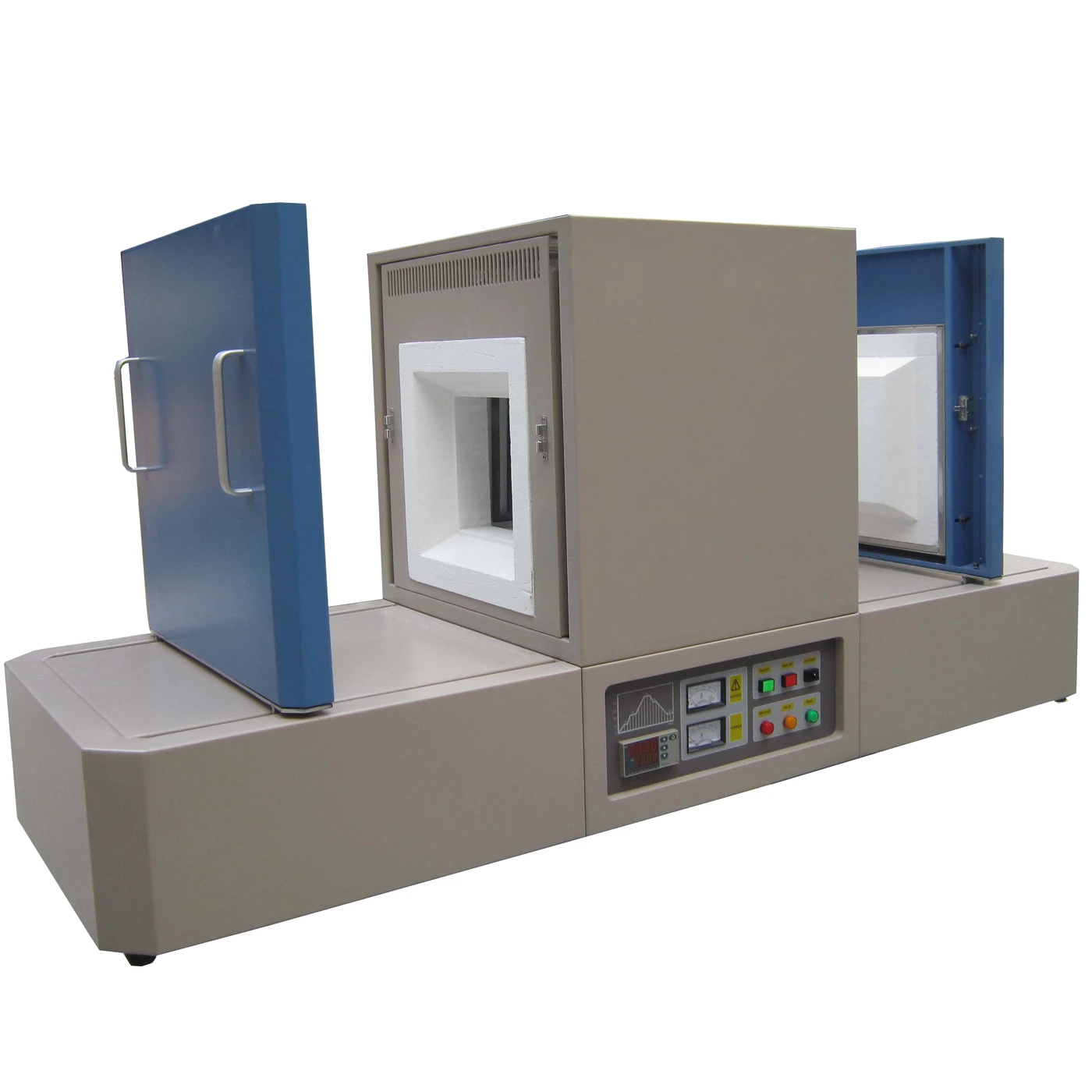
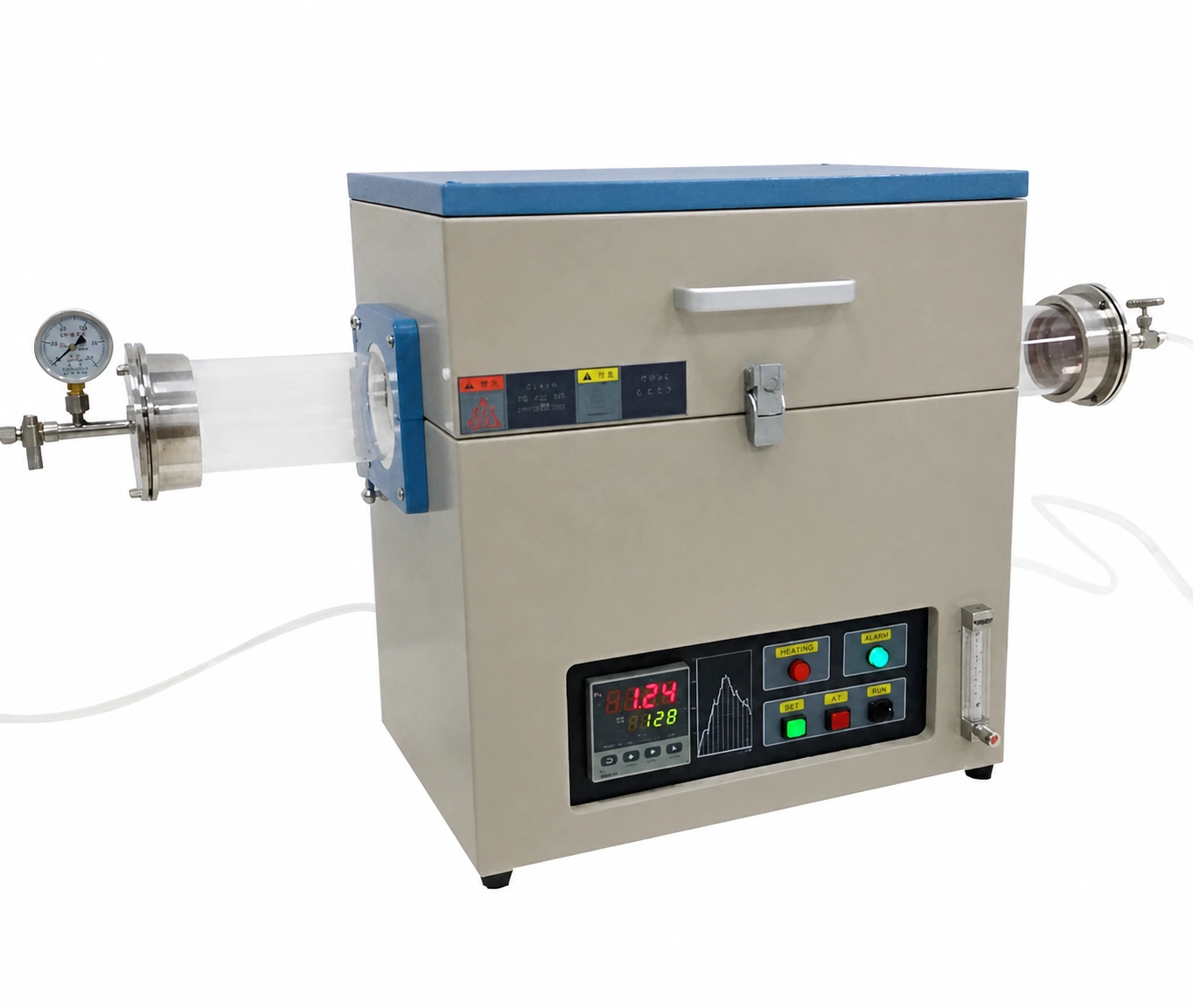
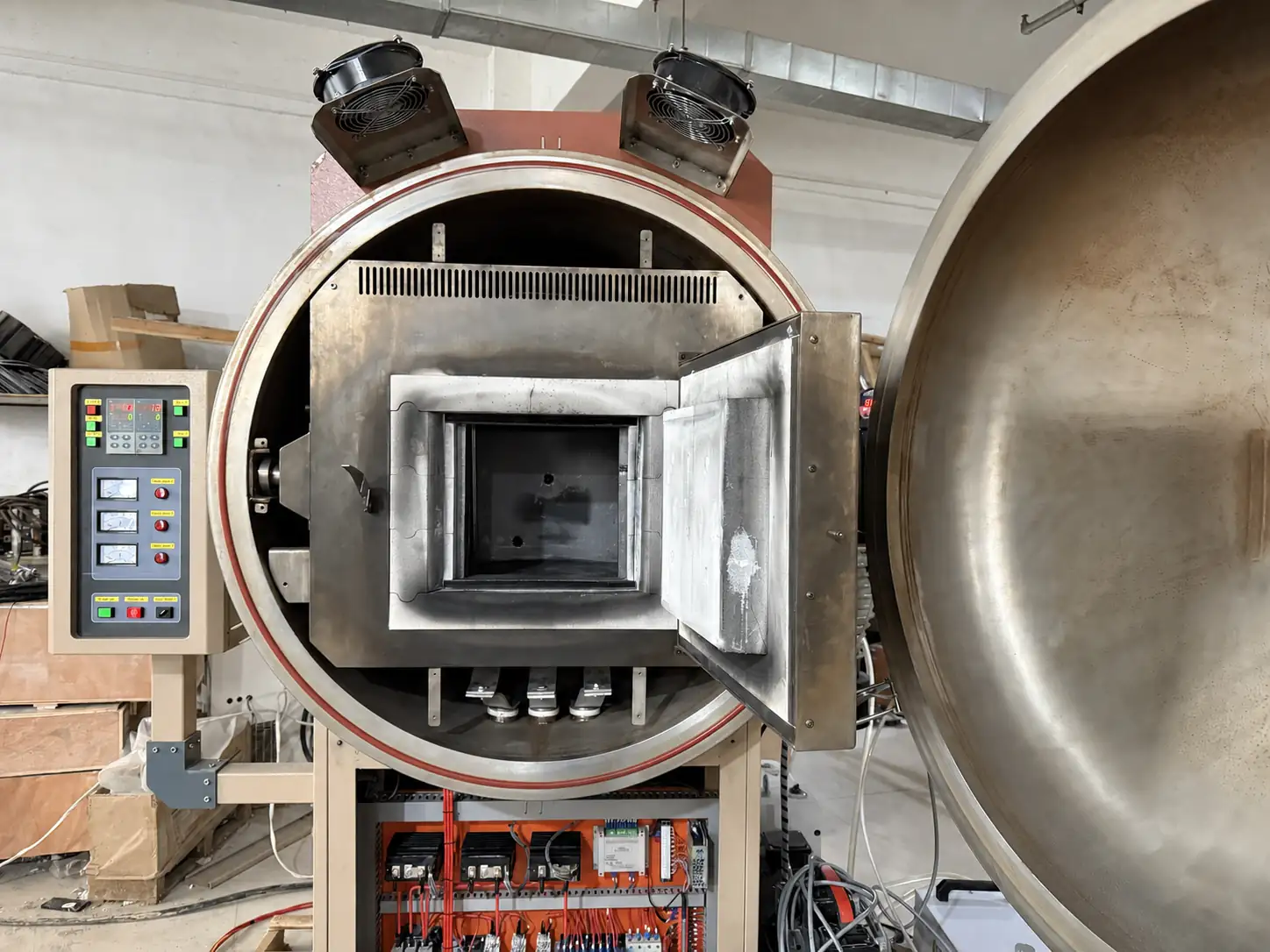
Muffle & Box Furnaces suit many batch processes in an enclosed heated chamber when the required environment and load are compatible. Tube Furnaces provide a defined process-tube path and can support small samples, controlled flow and axial-zone decisions. Vacuum & Atmosphere Box Furnaces provide a sealed batch route when the load needs a coordinated vessel, chamber, pumping or gas boundary. Vacuum Hot Press Furnaces are considered only when a defined compressive load and tooling stack are part of the process.
Size the usable space around the complete load
Provide the maximum sample or batch envelope together with every tray, boat, setter, crucible, fixture and thermocouple. Usable space must allow loading access and clearance from walls, elements, sensors, doors, tube ends and insulation. For development work, state the smallest and largest planned load so the proposed arrangement does not optimize for only one experiment.
Coordinate chamber, heating elements and measurement
The chamber geometry, insulation, heating-element arrangement, sensor position and control zones form one thermal assembly. A replacement or OEM requirement can begin with Furnace Chambers, while compatible element selection begins at Heating Elements. Electrical and temperature values are confirmed for the selected furnace architecture and cycle.
Plan the path from screening to repeatable operation
During development, record material batch, sample dimensions, fixture, load position, atmosphere sequence, controller program and available sample-temperature evidence. Before routine operation, define the accepted recipe, loading pattern, calibration or verification checks, data-retention needs and response to incomplete gas flow, pressure loss or over-temperature conditions.
Consider handling, cleaning and process safety
Describe how the load is prepared, transferred, unloaded and cooled. Identify dust, binder vapour, hot powder, sharp fixtures, reactive gas, vacuum, pressure or contamination concerns. Provide available safety information for materials and process gases. Exhaust treatment, ventilation, guarding and facility responsibilities are confirmed as part of the project boundary.
Information required for a materials research or sintering inquiry
- Material name, composition, physical form and available safety information
- Current process, research objective and acceptance evidence
- Sample, compact or batch dimensions, mass and quantity
- Tray, boat, crucible, setter, fixture and contact materials
- Working temperature and complete ramp, hold and cooling program
- Air, gas, pressure, purge, pumping and exhaust requirements
- Required sample or furnace temperature measurement and data records
- Normal and maximum load, loading method and scale-up objective
- Contamination, cleaning, ventilation and known by-products
- Power, utilities, destination, documentation and installation scope