
A focused route for a fixed heated section
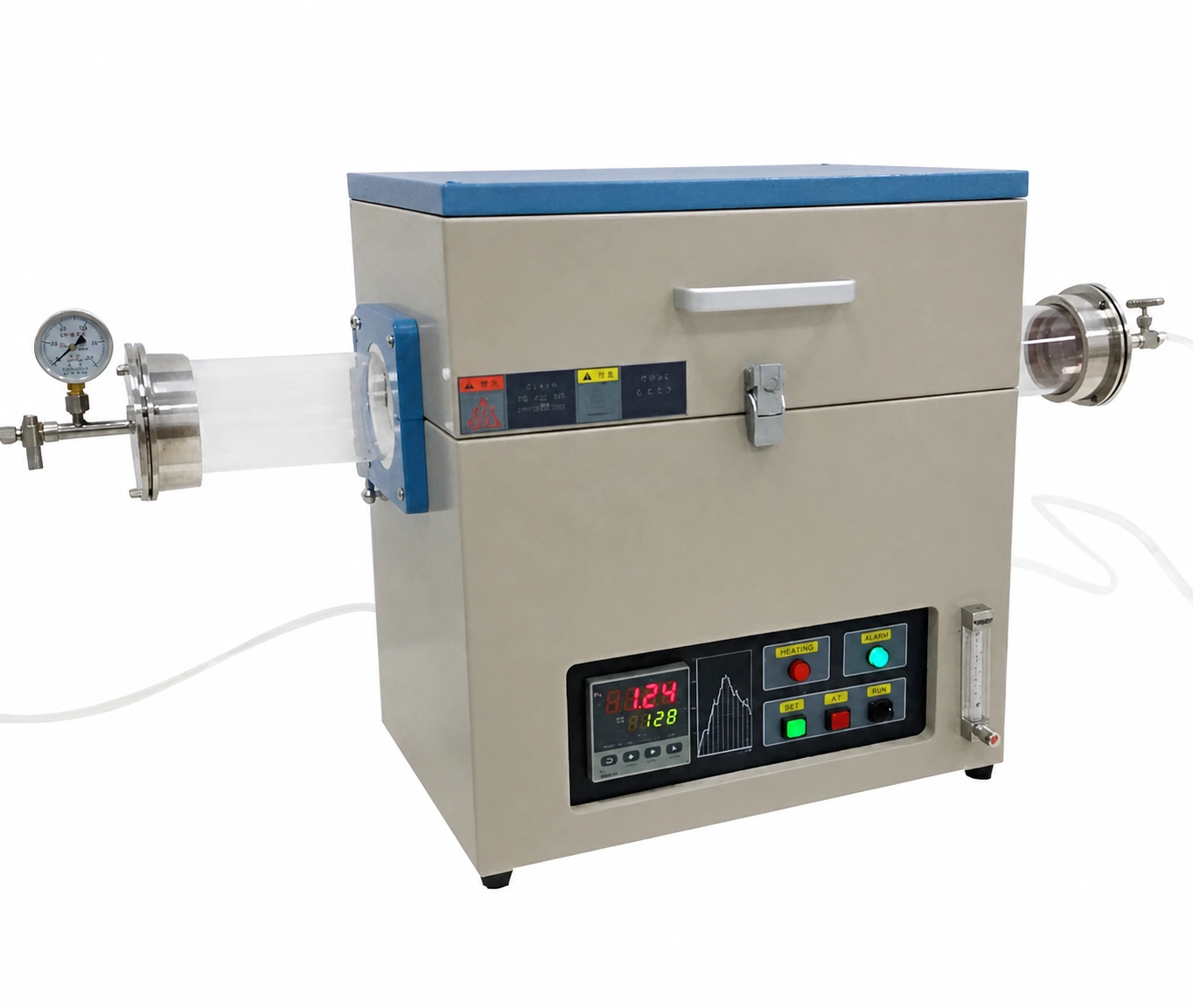
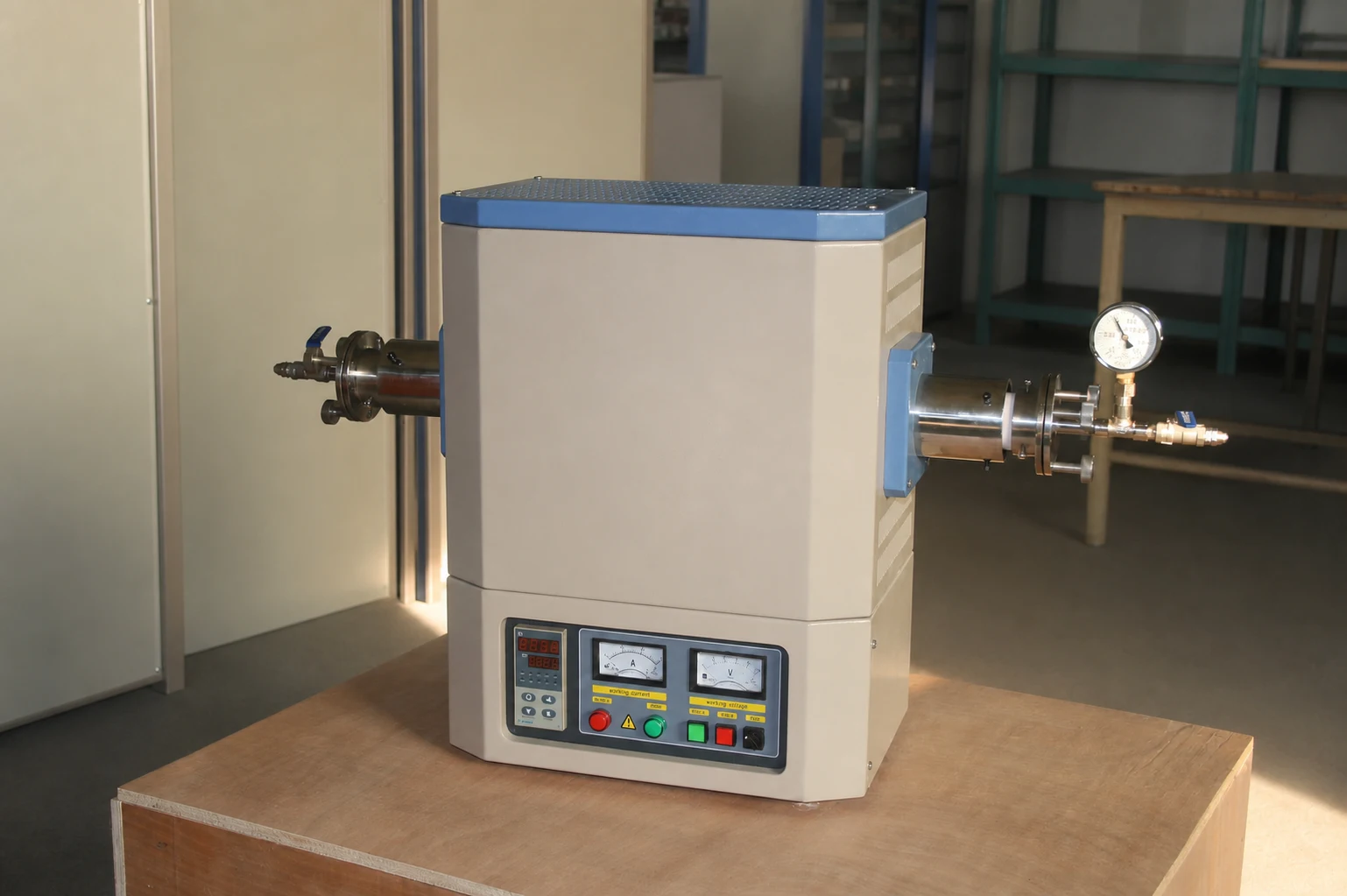
A compact single-zone tube furnace is a practical candidate when the load can remain within one defined heated section and the process does not require independently controlled axial zones. These compact horizontal configurations combine a process tube, removable end assemblies, pressure indication and integrated controls. Final construction is qualified around the application, tube assembly and operating cycle.
Confirm that one zone is technically sufficient
Define the required usable hot length and the sample position before selecting the furnace body. If the load extends beyond the qualified region, if an axial gradient must be controlled, or if separate process stages must remain at different temperatures, compare a multi-zone tube furnace. For deliberate movement between heating and cooling positions, review RTP tube furnaces.
Specify the complete tube assembly
Provide tube material, outside diameter, inside diameter, total length and support method. Add the sample holder or boat, loading direction, thermocouple route and required end clearance. The tube, seals, flanges, gauge, valves and connected services form the process boundary and must be reviewed together.
Separate working temperature from maximum rating
State the normal working temperature, the complete ramp and hold sequence, expected cycle frequency and acceptable cooling method. The selected heating arrangement, insulation and tube material must support the repeated working cycle. Any maximum value is confirmed separately and is not a substitute for a continuous operating condition.
Define atmosphere and pressure conditions precisely
List each gas species, purity objective, flow direction, purge sequence, operating-pressure objective and exhaust method. If reduced-pressure operation is requested, include the pump boundary, measurement method and allowable process conditions. Compatibility and achievable performance apply to the configured assembly, not to the furnace enclosure alone.
Controls, protection and records
Describe the required program steps, alarms, over-temperature protection, sensor arrangement, data recording and external interlocks. If sample temperature is critical, state where and how it must be measured; the furnace control sensor and the sample may respond differently.
Information required for a compact tube-furnace RFQ
- Material, sample geometry, holder, quantity and process objective
- Normal working temperature and complete thermal cycle
- Tube material, outside and inside diameters, length and orientation
- Required usable hot length and sample position
- Gas, purge, flow, pressure, pumping and exhaust requirements
- End assemblies, ports, valves, gauges and existing connections
- Control, alarm, interlock and data requirements
- Power supply, destination and documentation requirements
For a larger process-tube and load envelope, compare Large-Diameter Tube Furnaces. For a furnace that can operate at different tube angles, review Adjustable-Angle Tube Furnaces.