
Specify the test sequence before the equipment
A useful RFQ describes what happens to the specimen before, during and after heating. This allows the heated enclosure, observation, transfer mechanism, quench vessel, controls and utilities to be evaluated as one system.
Describe the material and specimen
Provide the material designation, incoming condition, specimen drawing, mass and surface preparation. Add the carrier or holder drawing, orientation and any contact or contamination restrictions. State whether multiple specimen formats must use the same equipment.
Write the full thermal cycle
List the starting condition, ramp, working temperature, hold, permitted variation, end-of-heat decision and cooling transition. Separate the desired working condition from an equipment maximum. Identify the controller sensor, specimen-adjacent measurements and any extra channels required for validation.
Define atmosphere stage by stage
For each stage, state air, vacuum, gas species, pressure or flow objective and transition procedure. Include evacuation, purge, backfill, isolation, venting and exhaust requirements. If the specimen is exposed to a different environment during transfer or quenching, describe that exposure explicitly.
Dimension the loading and transfer path
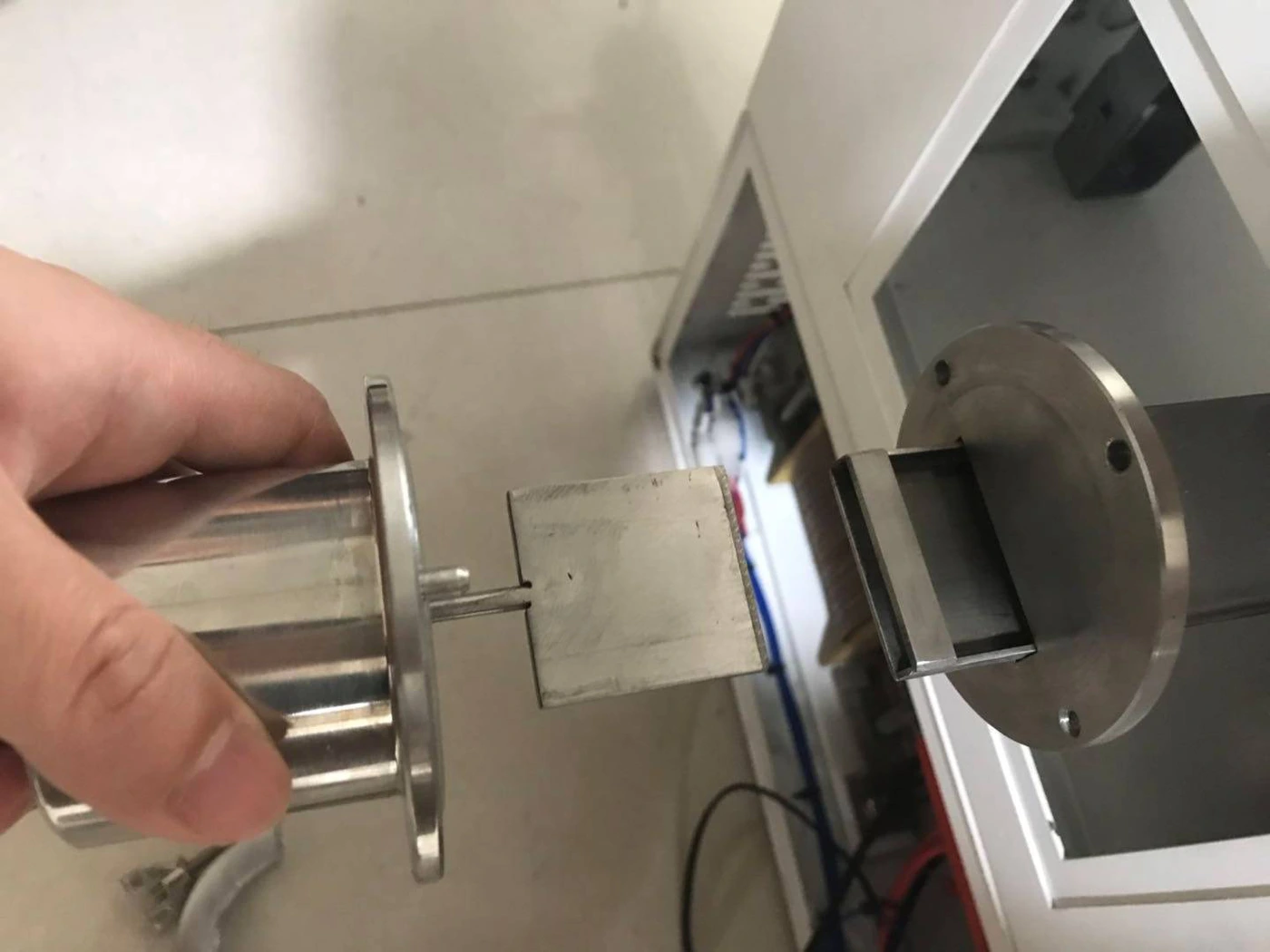
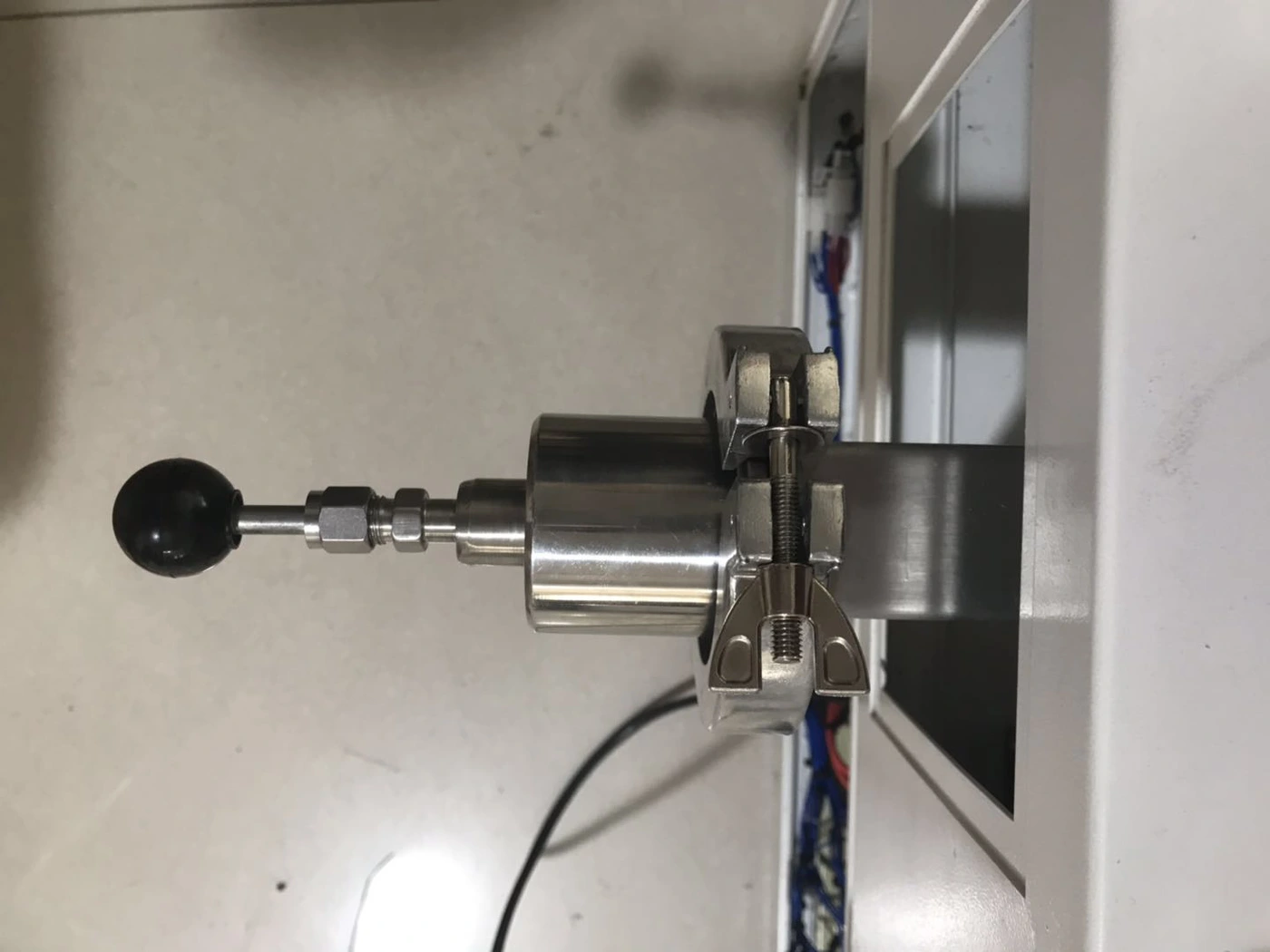
Provide the specimen and carrier envelope, insertion opening, travel direction, required stroke and final quench position. State the preferred movement method and required timing evidence. Include operator position, guarding, hot-surface access and service clearance.
State the observation requirement
Explain what must be visible, the required field of view, the process stage, lighting needs and whether images or video are required. Identify deposits, vapour, splash or radiation that may affect the window. Observation should support a defined process decision rather than serve as an unspecified accessory.
Qualify the cooling or quench step
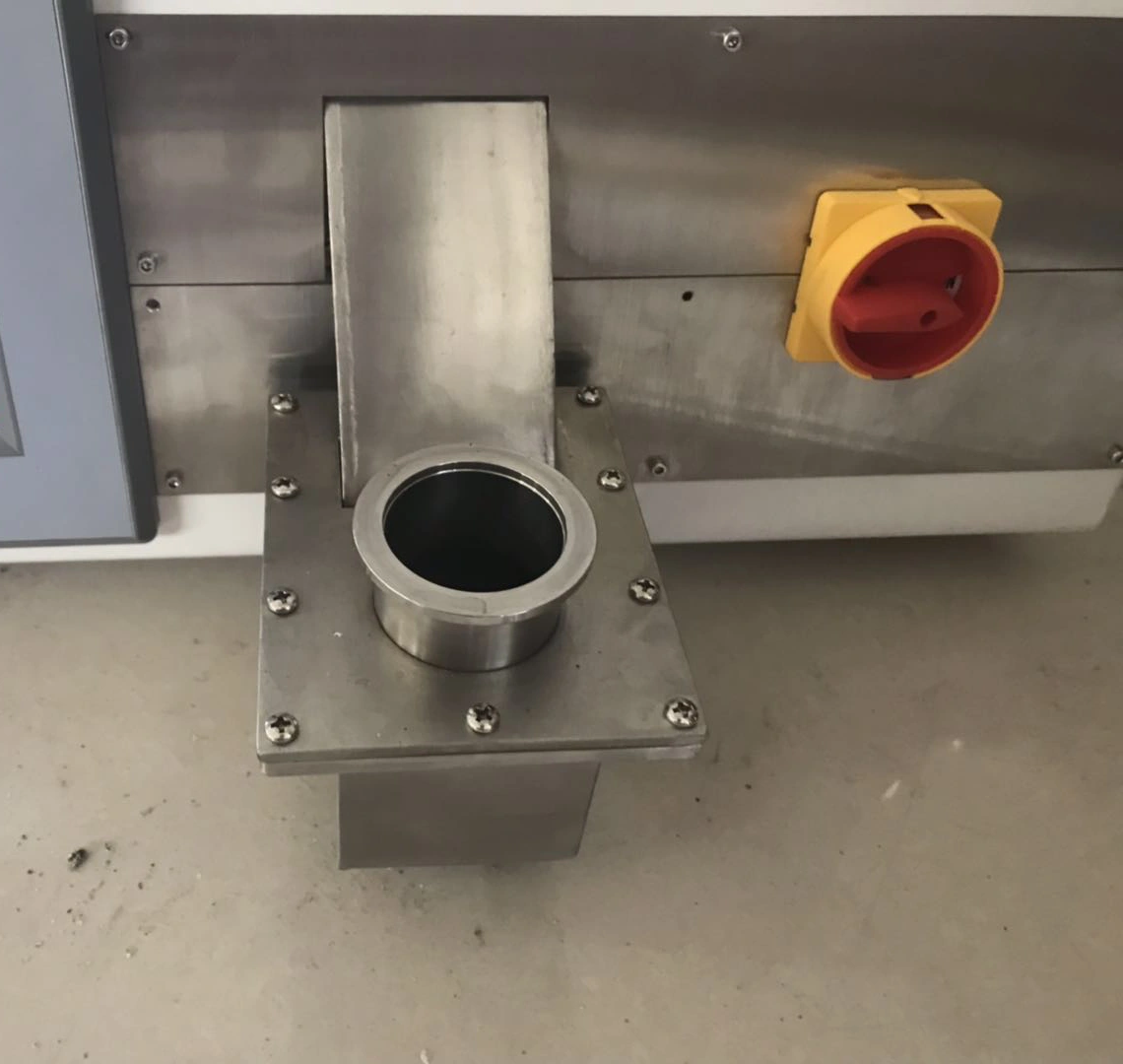
Identify the medium, starting temperature or condition, normal volume, agitation, specimen load and replacement or conditioning practice. Define splash, vapour, fire, corrosion, ventilation and waste boundaries. State how the specimen is retrieved and when downstream testing begins.
Controls, records and safe states
List recipe steps, temperature channels, pressure and gas signals, transfer positions, timing resolution, alarms, interlocks and data-export format. Define permitted and prohibited states for heating, open ports, specimen movement, gas flow, pumping, quench access and power interruption.
Utilities and installation
Provide voltage, phase, frequency, facility power limit, gas and vacuum services, cooling water, exhaust, floor loading, doorway dimensions and available service space. Identify which pumps, gas controls, quench equipment and ventilation are expected in the supplier boundary.
Define the acceptance trial
State the specimen, load condition, cycle, atmosphere, transfer sequence, cooling route and recorded variables for the trial. Add dimensional checks, sensor verification, control and interlock tests, and any downstream hardness, microstructure or other material evaluation. Results depend on the agreed specimen preparation and test method.
RFQ checklist
- Material and specimen drawings
- Carrier, fixture and loading method
- Complete thermal cycle and temperature-evidence plan
- Atmosphere or pressure sequence for every process stage
- Observation objective and window conditions
- Transfer route, stroke, timing and operating method
- Cooling or quench medium, vessel and facility safeguards
- Controls, records, alarms and interlocks
- Power, gas, vacuum, cooling, exhaust and installation limits
- Trial specimen, downstream test and measurable acceptance criteria
- Documentation, spares, commissioning scope and destination
Review Heat Treatment Process Testing Furnaces and the Heat Treatment Process Development & Testing application. For broader project and commercial inputs, use the Furnace RFQ Checklist.