
Develop the process as a connected sequence
Heat-treatment development links the starting specimen, thermal exposure, process environment, transfer conditions, cooling route and downstream evaluation. A furnace can reproduce only the conditions that are defined, measured and controlled. Start by writing the intended process from specimen preparation through the final test.
Separate furnace regulation from specimen temperature
Controller values describe the selected measurement and control loop. They do not automatically establish the temperature of every point within the specimen or carrier. Define where temperature evidence is required, acceptable lag or variation, additional sensor needs and the method used to relate the furnace cycle to the specimen condition.
Account for transfer between process states
When the specimen moves from a heated zone to another environment, the transfer time, travel path, door or port opening, ambient exposure and carrier thermal mass can influence the result. State the desired timing and repeatability, whether movement is manual or sequenced, and which position or timing signals must be recorded.
Select the cooling route from the material objective
Cooling may be controlled in the furnace, performed in gas, or completed through a qualified liquid-quench procedure. Identify the material transformation or comparison the cooling step is intended to support. Specify medium, initial condition, volume, agitation, specimen loading and the required handling and facility safeguards.
Preserve atmosphere intent through the cycle
Describe oxygen, moisture, pressure or gas requirements before heating, at temperature, during transfer and during cooling. The environment may change by design, but each transition should be declared. Include purge, evacuation, backfill, venting and exhaust steps where relevant.
Use downstream tests to define acceptance
Hardness, microstructure, dimensional change, mass change or another property may be used to compare specimens. Provide the sample preparation, measurement standard or internal method, location, number of specimens and acceptance logic. The furnace trial and the material-property test should be connected by a documented specimen identity and process record.
Prepare the development review
- Material designation, starting condition and specimen drawing
- Carrier, fixture and contamination-control requirements
- Complete heating, holding, transfer and cooling sequence
- Temperature measurement positions and required records
- Atmosphere or pressure condition at each stage
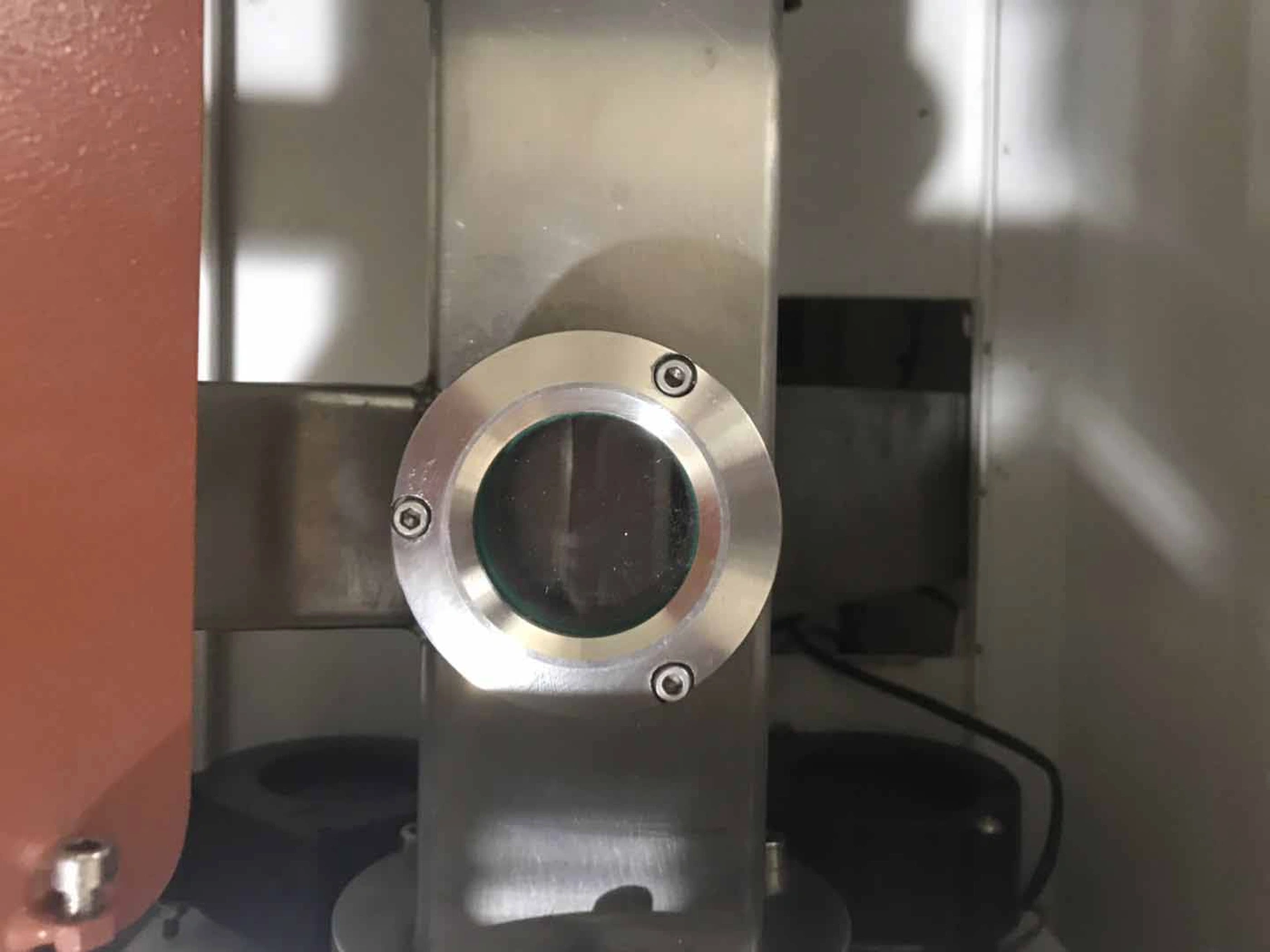
- Observation, movement, timing and repeatability objective
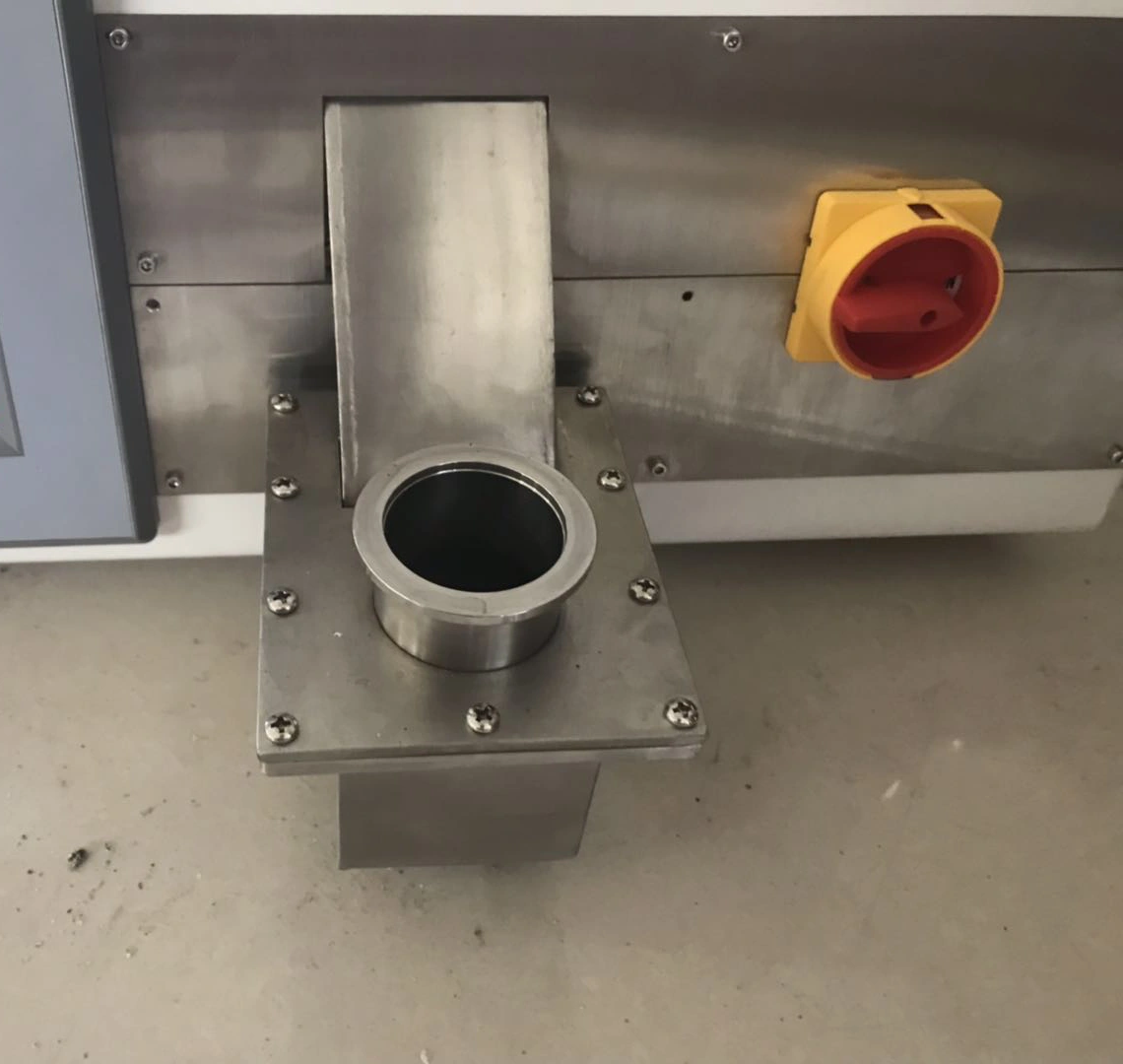
- Cooling or quench medium and facility-safety boundary
- Downstream test method and measurable acceptance criteria
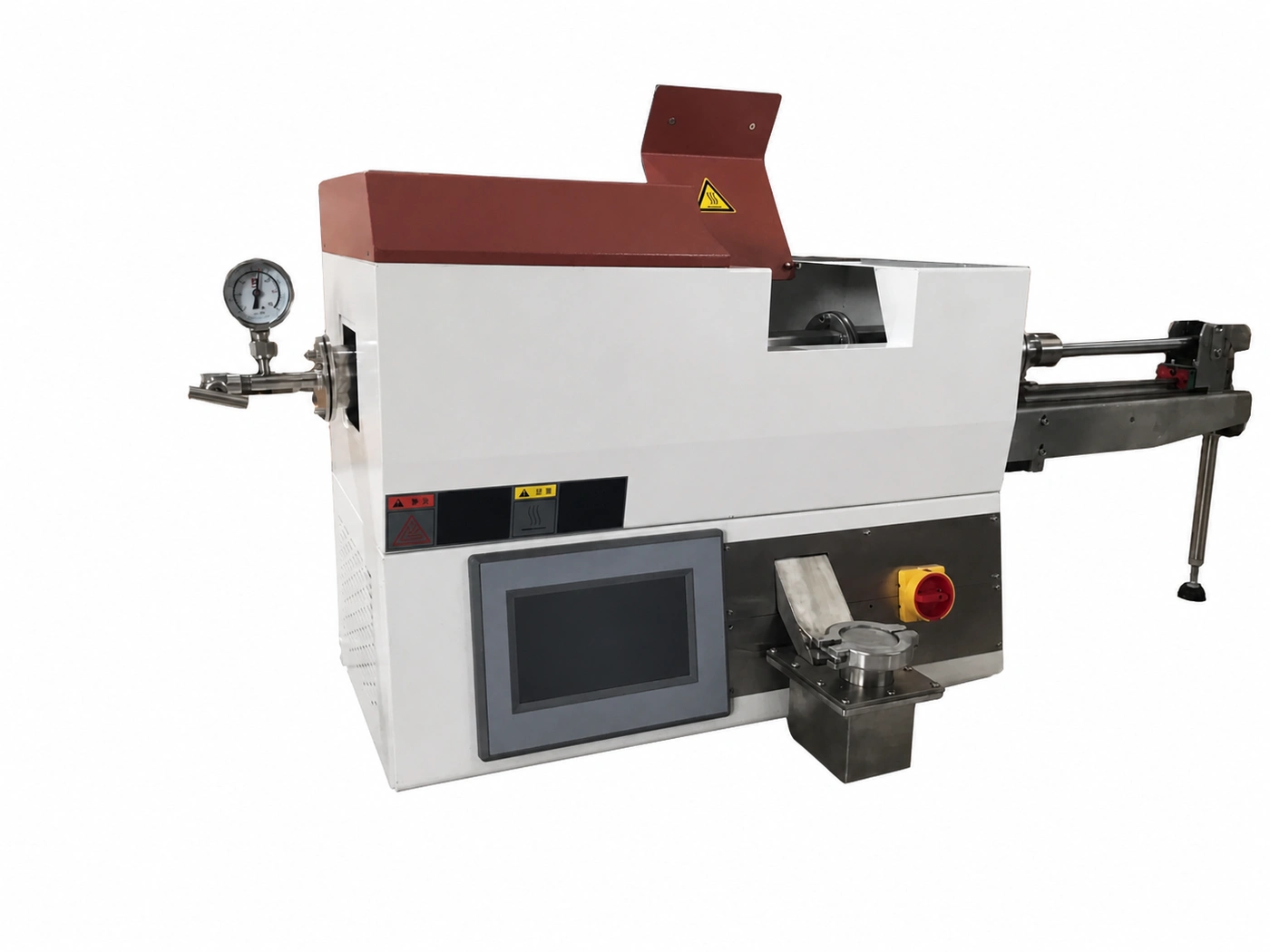
Review Heat Treatment Process Testing Furnaces for an integrated transfer-and-quench equipment route. Use the specification guide to prepare the technical inquiry.