
Compact melting begins with the charge and crucible
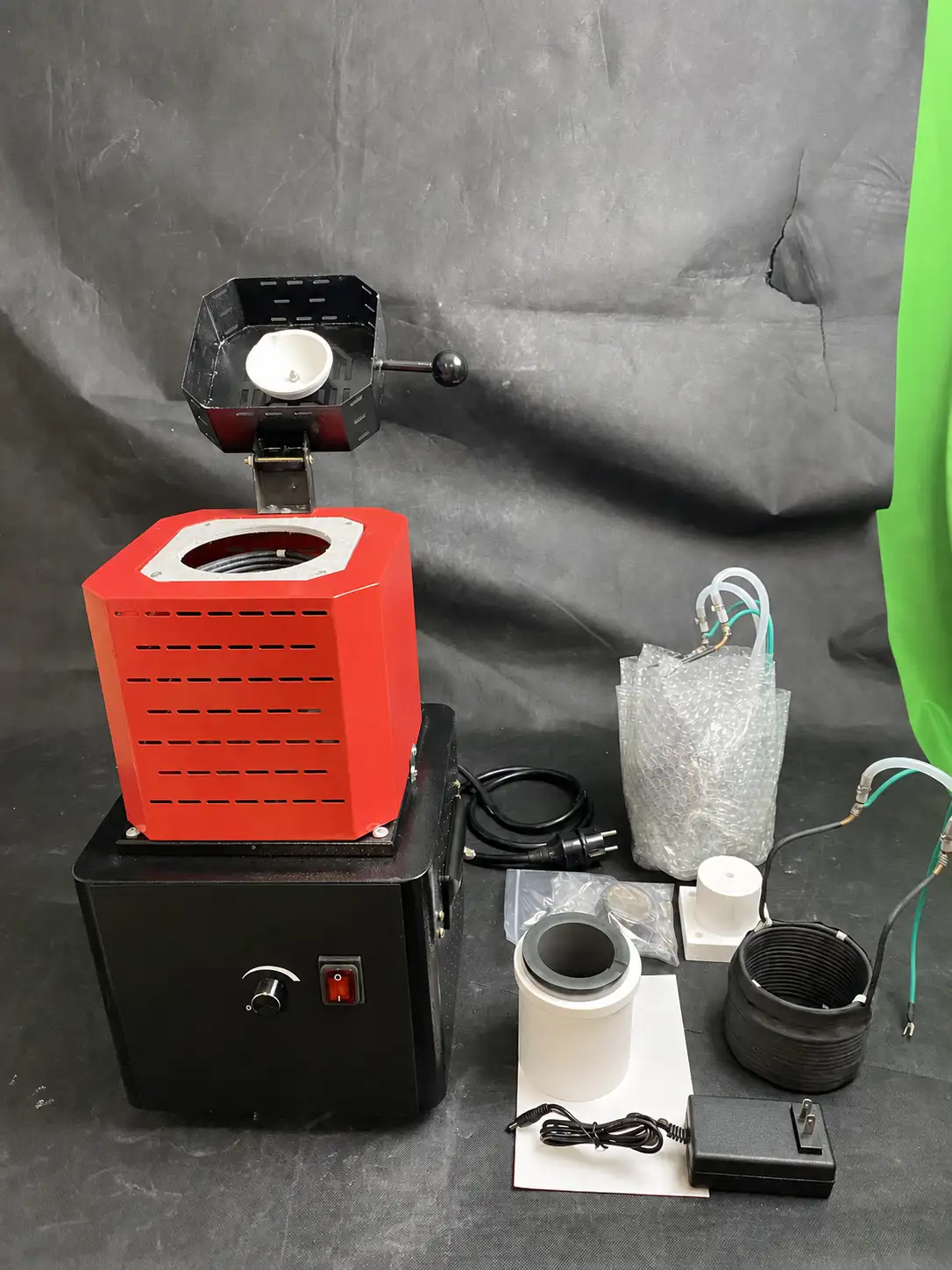
A compact induction melting furnace can suit small-batch metal preparation when the charge, crucible and water-cooled coil are compatible. Selection starts with the actual metal or alloy, charge form and normal melt quantity. Pyrocore then reviews crucible material and geometry, the open-air process boundary, pouring method, utilities and operator handling.
Where an open compact system fits
This route is intended for compatible laboratory, workshop and small-lot melting duties that do not require a sealed process vessel. It may be considered for precious-metal work and small alloy-preparation tasks only after the material, crucible, oxidation sensitivity and fume controls are confirmed. It is not a substitute for a vacuum or inert-gas furnace when the process requires a controlled environment.
Coil, crucible and support are a matched assembly
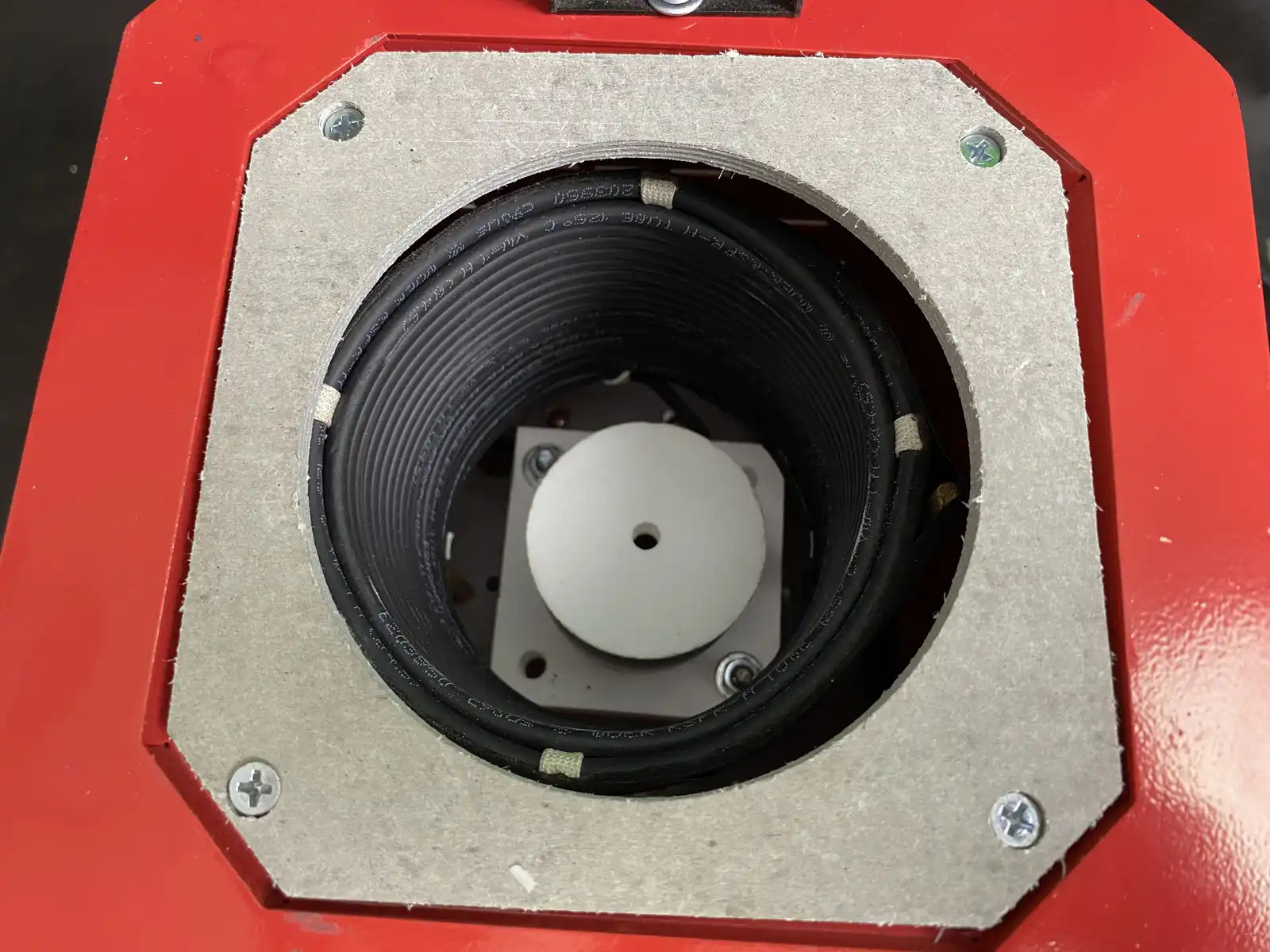
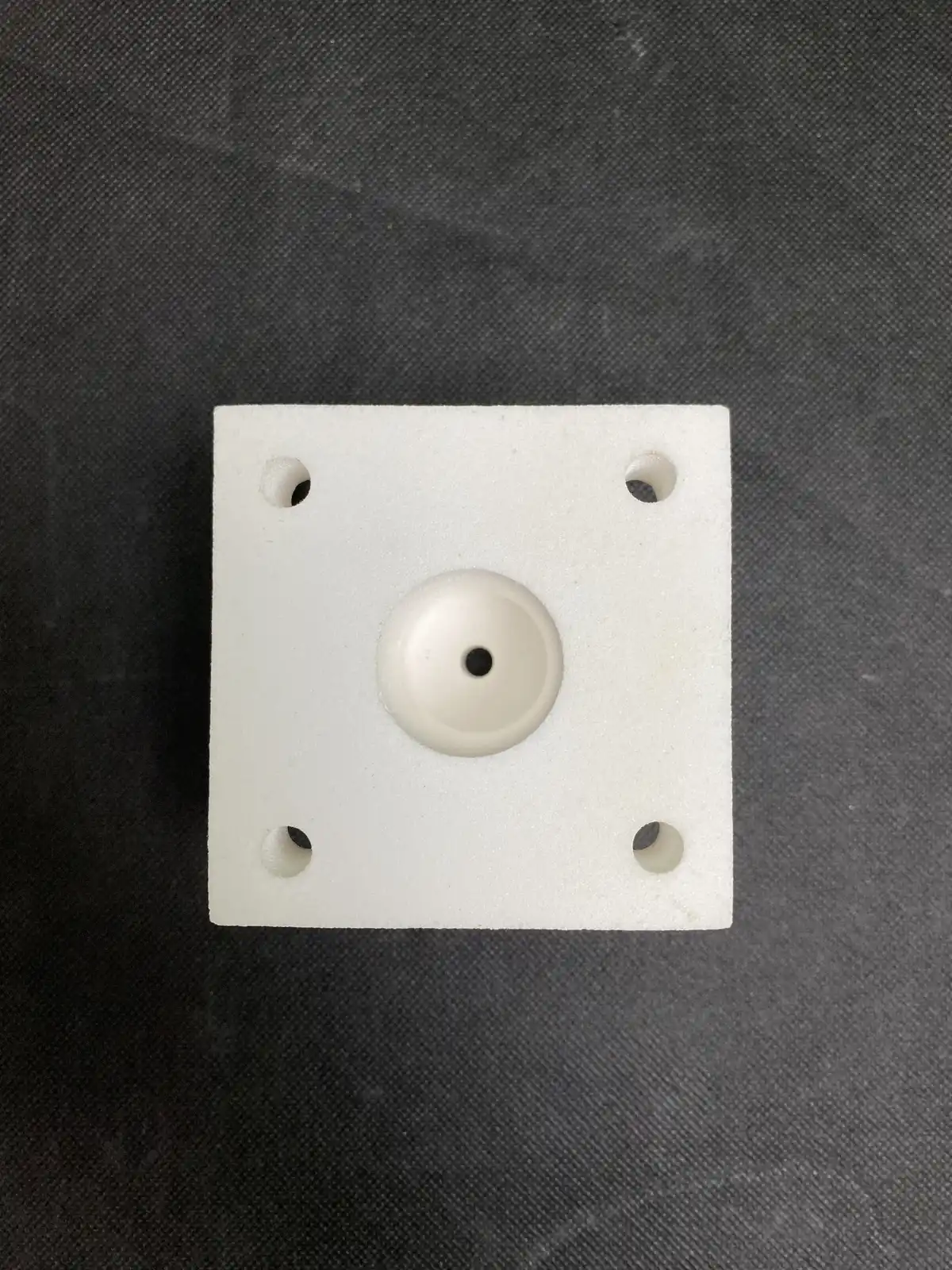
The induction coil surrounds the crucible position and must be cooled continuously during operation. Coil bore, turn geometry, crucible outside diameter, insulating support, electrical coupling and pouring clearance must remain compatible. A visually similar crucible or coil is not automatically interchangeable.
Define the complete pouring route
State whether the crucible is lifted, removed with tools or tilted by an integrated holder. Provide the receiving mould or container envelope, desired pour direction, operator position and required clearance. Splash, hot-metal and fume risks must be addressed in the operating procedure and local facility controls.
Cooling water is a process utility
Provide the available cooling-water temperature, quality, pressure or flow information and whether a recirculating unit is required. The proposal should define connections, hoses, monitoring and the response to insufficient cooling. Power cannot be selected independently from the coil and cooling boundary.
Controls, endpoint and repeatability
Describe how the melt endpoint will be determined and whether the process requires timed power steps, temperature measurement, operator observation or another qualified method. State the normal operating sequence, expected batch frequency, required records and acceptance method. Final control functions depend on the selected equipment and process.
Information required for a compact induction melting proposal
- Metal or alloy and available safety information
- Charge form, normal mass and maximum intended charge
- Crucible material, dimensions and preferred replacement supply
- Open-air suitability and oxidation or contamination concerns
- Loading, handling, tilting and receiving-container requirements
- Cooling-water source or recirculating-unit requirement
- Voltage, phase, frequency, destination and installation limits
- Controls, accessories, spares, documentation and acceptance method
For a sealed environment, review Vacuum Induction Melting Furnaces. To compare both routes, use the Induction Melting Furnace Specification Guide.