
A sealed melting process is a complete system
A vacuum induction melting furnace combines the metal charge and crucible with an induction coil, sealed chamber, electrical and cooling feedthroughs, pumping and gas equipment, controls and a defined material-handling route. The required process environment must be described through every stage from loading to safe opening.
Choose vacuum or controlled gas for a reason
Identify the material sensitivity that drives the environment requirement: oxidation control, gas removal, contamination management or another documented process need. Specify the desired vacuum and gas sequence at operating conditions. Achievable pressure and atmosphere quality depend on the vessel, seals, gas load, pumping arrangement, instrumentation and hot process.
Build the chamber around loading and pouring
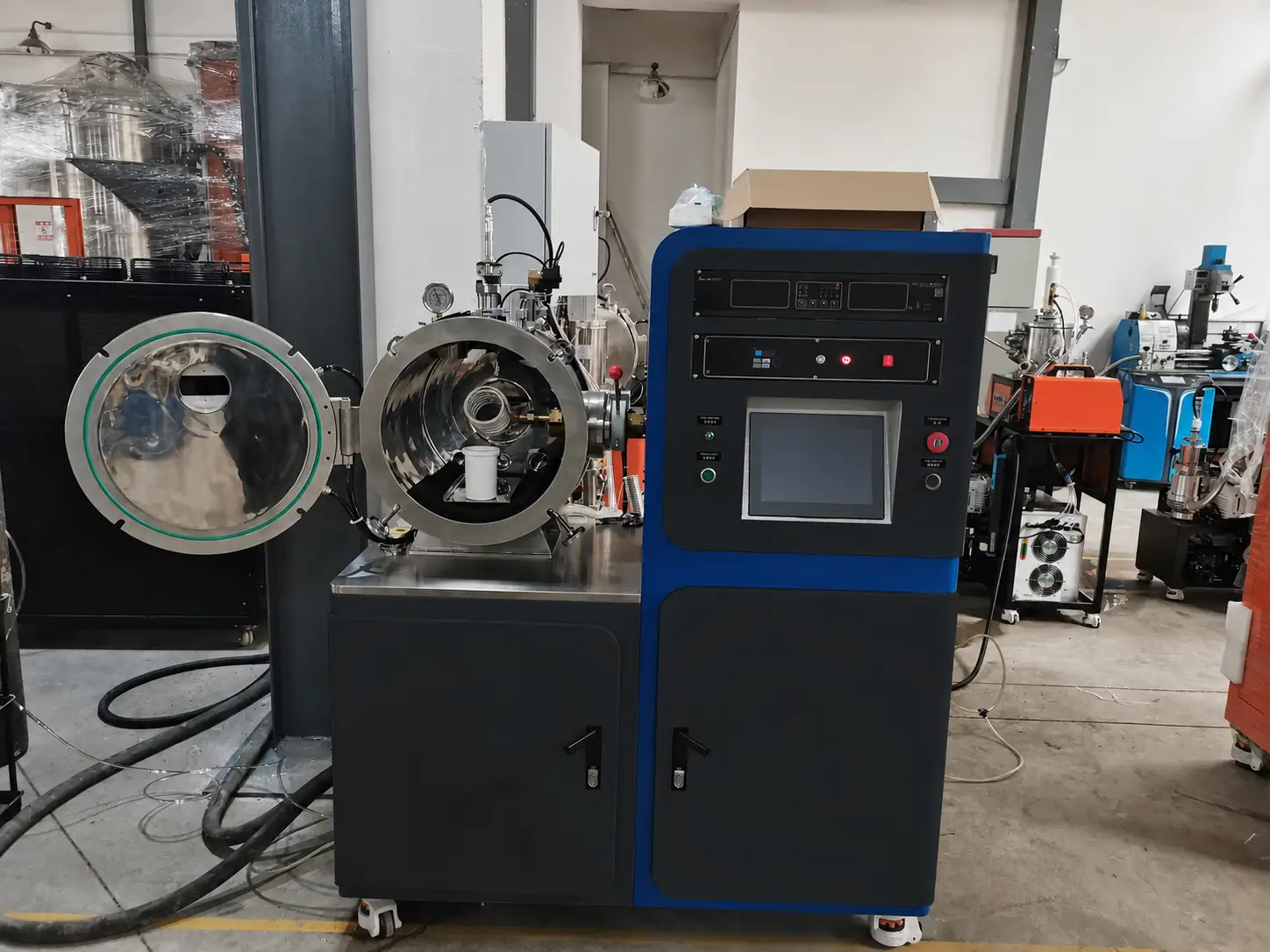
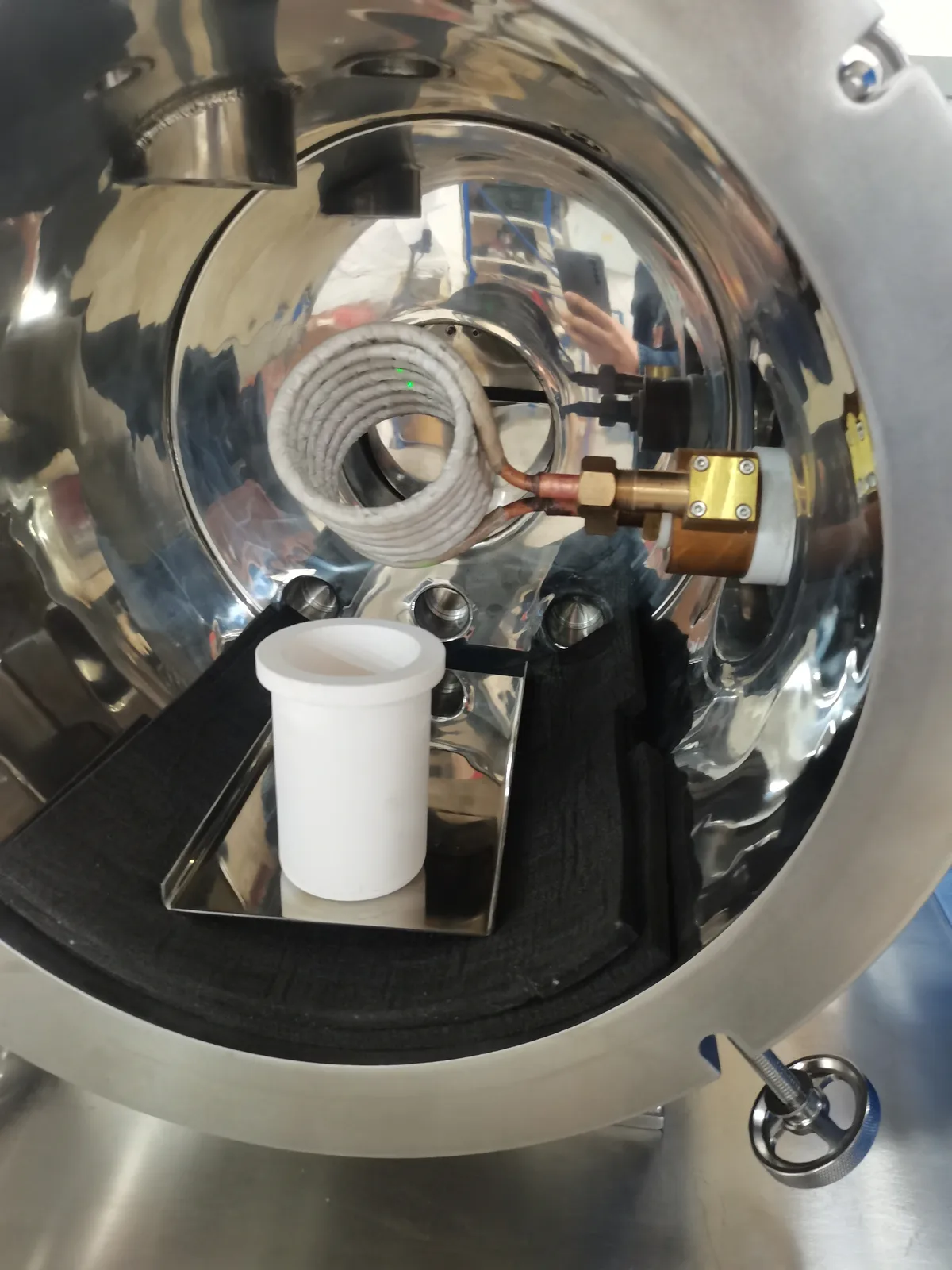
Provide the charge and crucible envelope, loading method and any internal mould, receiving container or tilting mechanism. Door diameter alone does not establish usable capacity. Internal coil clearance, manipulation space, feedthrough positions, observation, spill containment and service access must be reviewed together.
Coordinate induction power and water cooling
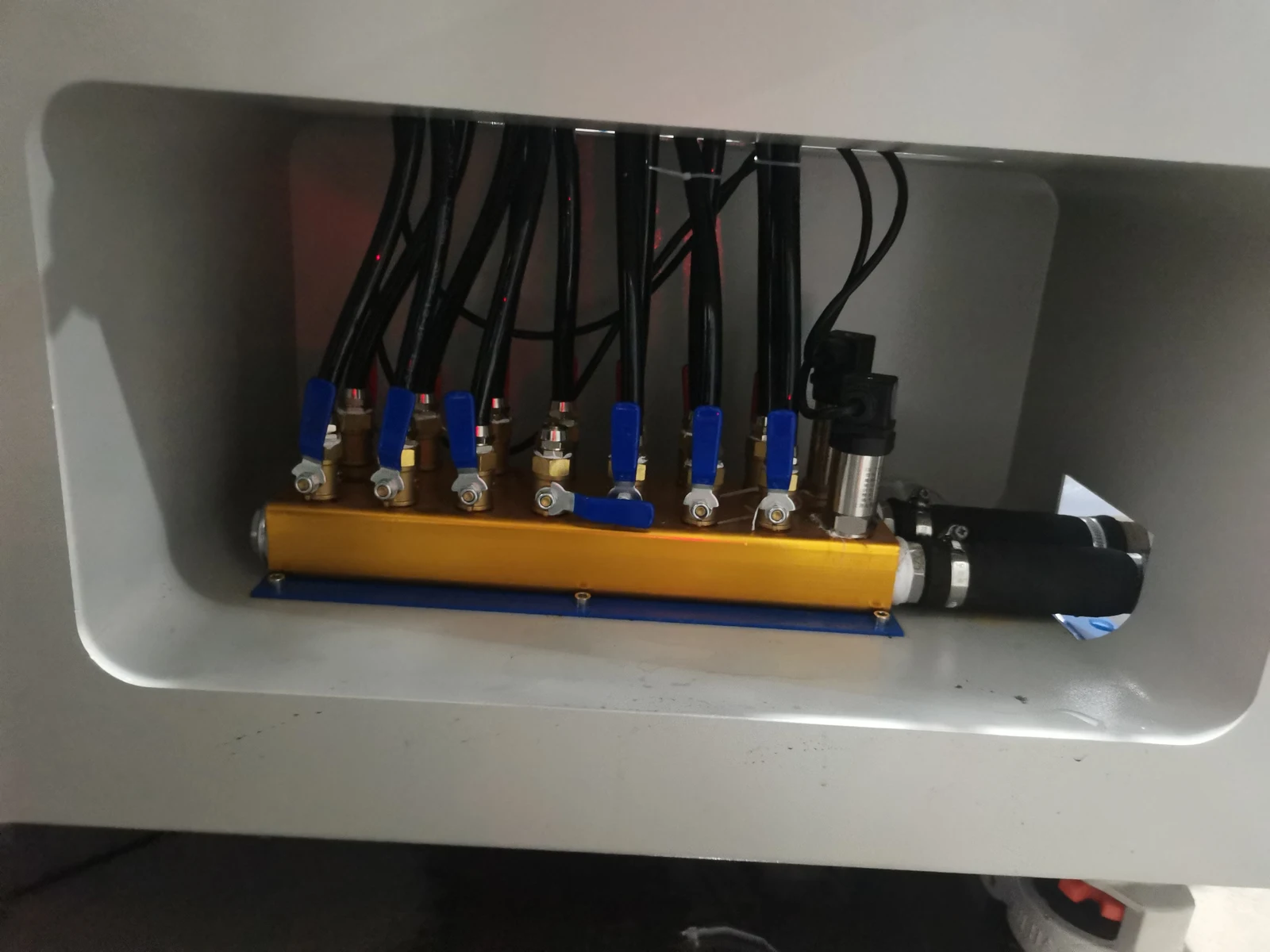
The coil, power supply and cooling circuit are selected as one electrical-thermal assembly. Define the available cooling-water conditions, required recirculating equipment, monitored branches and the interlock response to insufficient flow. The illustrated system includes a distributed water manifold, demonstrating why coil, feedthrough and auxiliary cooling branches require a documented supply boundary.
Pumping, valves, gas and measurement
Clarify the pump scope, isolation and vent valves, vacuum measurement range, gas species, regulators, flow control and exhaust route. State whether gas purging, vacuum hold, backfill or repeated cycles are required. Materials and gases that introduce combustion, toxicity, pressure or condensation risks require a specific safety review.
Controls and operating sequence
Describe manual and automatic steps, recipe stages, operator access, alarms, interlocks, data needs and power-interruption response. The control philosophy should represent loading, door closure, evacuation, gas handling, cooling confirmation, induction heating, endpoint, controlled cooling, venting and safe opening.
Acceptance based on measurable system behaviour
Define vessel inspection, leak or pressure testing, cooling-circuit checks, control and interlock tests, empty or loaded process trials, temperature or endpoint evidence and documentation review. A glowing charge image demonstrates a trial-melting event, but alloy quality and production results remain dependent on the material, preparation and agreed process.
Information required for a vacuum induction melting proposal
- Metal or alloy, charge form, normal mass and maximum intended charge
- Crucible material, dimensions, support and replacement requirements
- Vacuum objective, gas species and complete pressure or gas sequence
- Loading, observation, tilting, pouring and receiving-container requirements
- Temperature or endpoint method and required process records
- Pump, valve, gas, exhaust and safety boundary
- Power, cooling water, floor space, service access and destination
- Controls, interlocks, documentation, commissioning and acceptance method
Compare the open Compact Induction Melting Furnace route, review the Metal Melting & Alloy Preparation application, or use the Induction Melting Furnace Specification Guide.