
Specify the process, not only a melt quantity
A useful induction melting furnace RFQ connects the metal charge with the crucible, coil, operating environment, material-handling route, power, cooling water, controls and acceptance method. The same nominal charge mass can require different equipment when alloy behaviour, crucible geometry, atmosphere or pouring requirements change.
Record the material and charge condition
Provide the material or alloy designation, composition range where relevant, incoming form and available safety data. State the normal charge and exceptional maximum separately. Identify oxidation, evaporation, fume, reactivity and contamination concerns that affect the equipment or facility boundary.
Define the crucible and receiving geometry
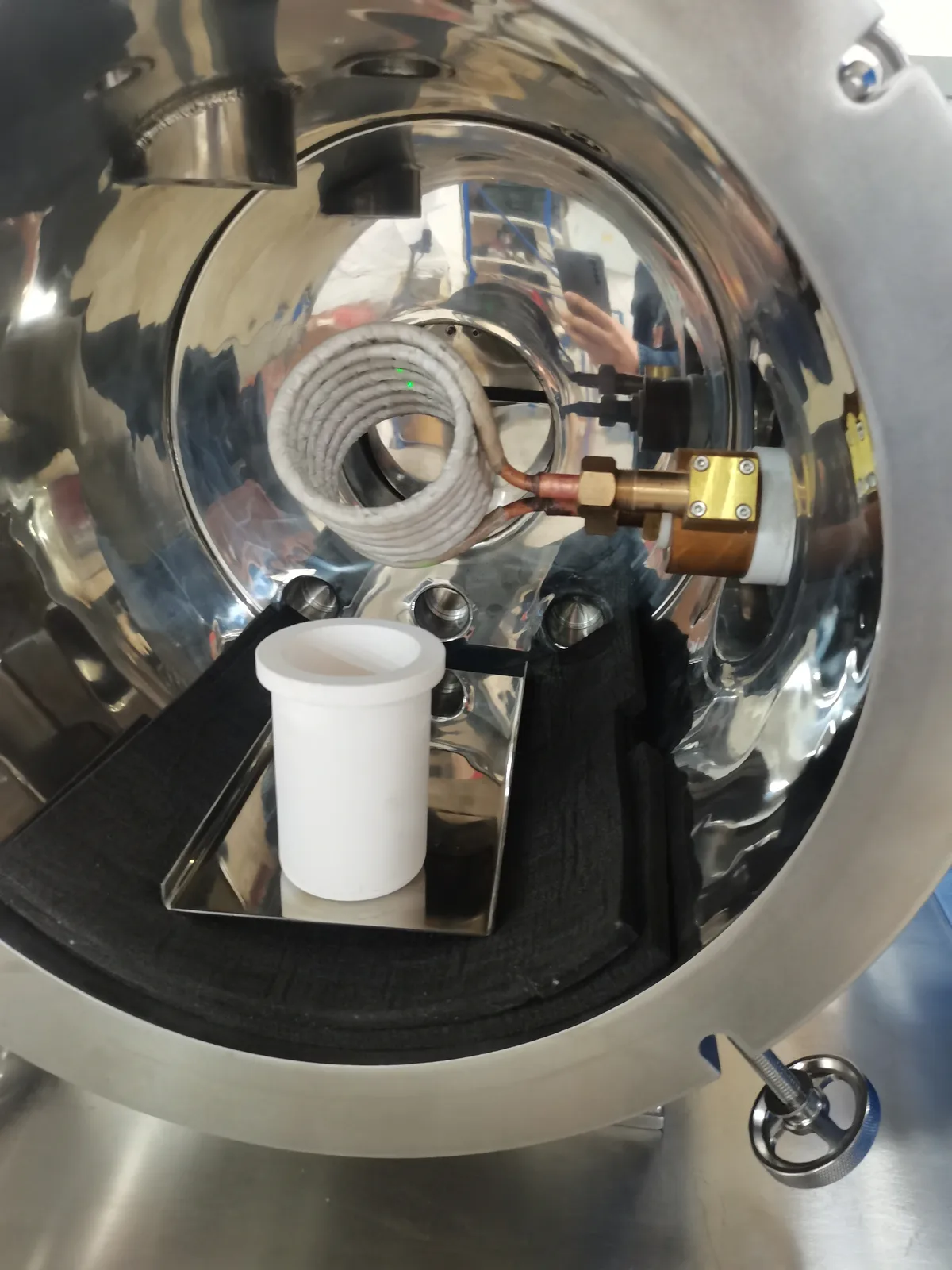
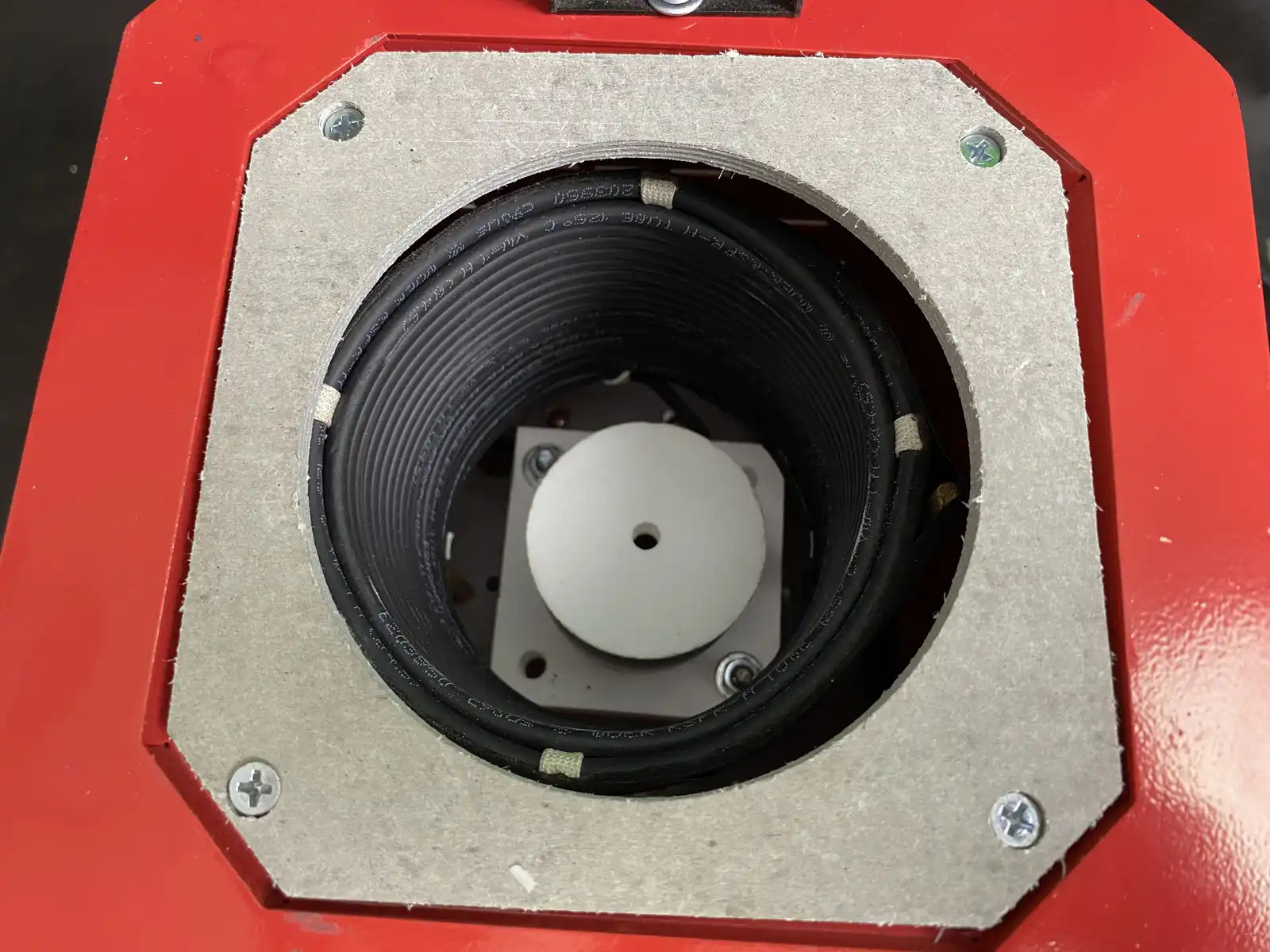
List crucible material, inside capacity, outside diameter and height, wall or lip features, support arrangement and preferred replacement supply. Add the receiving mould or container, pour direction, required clearance and whether the crucible is fixed, removable or tilting.
Choose between open and sealed operation
Use an open compact route only when the material and procedure permit direct-atmosphere melting. For vacuum or gas operation, provide each stage: evacuation, hold, purge or gas introduction, pressure control during heating, cooling, venting and opening. State the gas species and facility exhaust requirements.
Describe the thermal endpoint
State the required working condition and how it will be measured or judged. A controller display, process time, optical or contact measurement and operator observation describe different evidence paths. Separate equipment limits from the desired operating point and define any superheat, hold or sampling requirement explicitly.
Specify induction power and cooling as one boundary
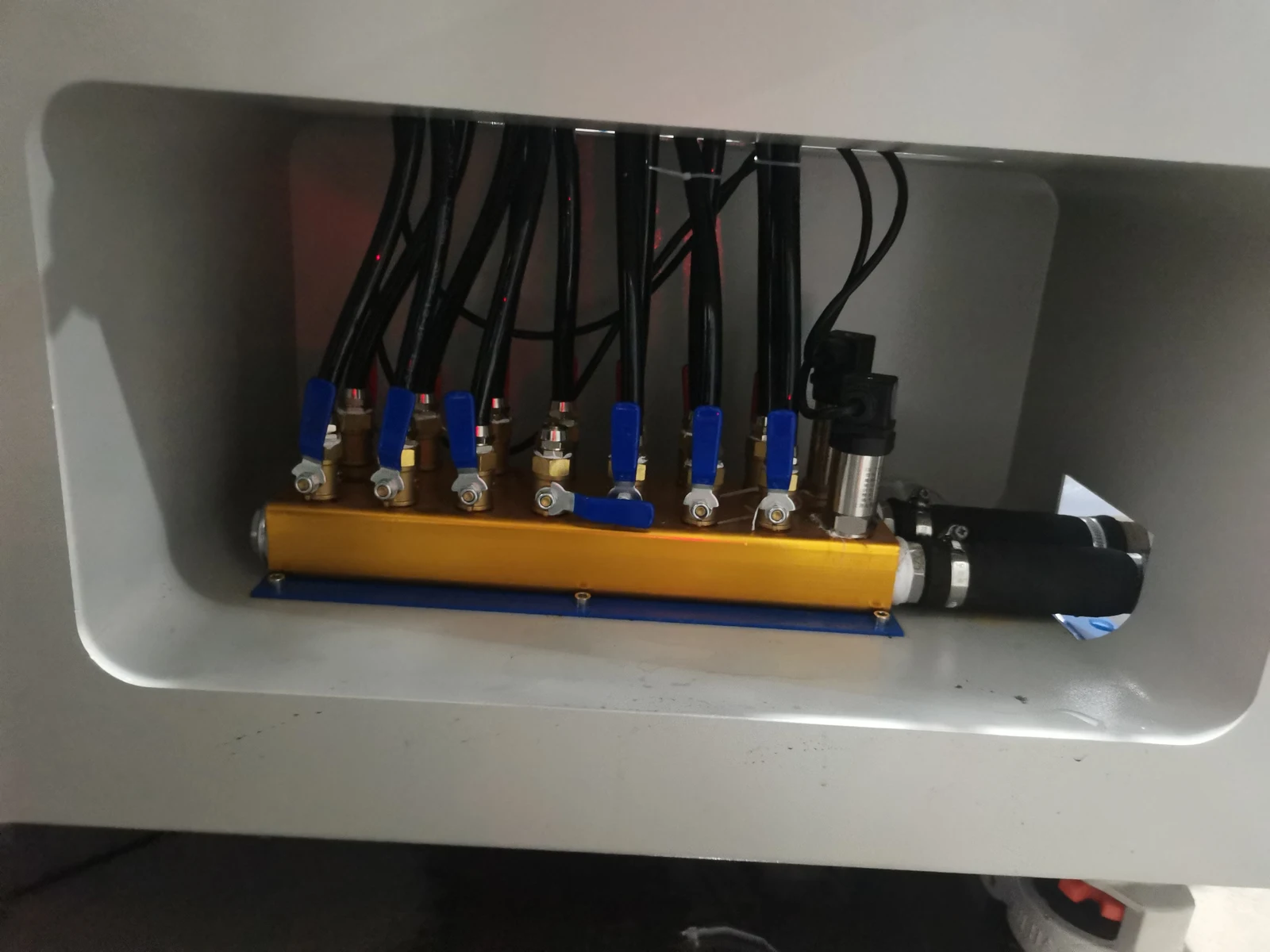
Provide the electrical supply, facility limit and desired duty pattern. Define cooling-water source, inlet conditions, quality, available flow or pressure information, connection standard and whether a closed recirculating unit is required. State which branches require monitoring and how low-flow conditions should stop or inhibit heating.
Controls, interlocks and records
List recipe stages, manual controls, operator access, alarm and interlock expectations, data records, remote interfaces and power-loss response. A sealed system should also define door, pressure, gas and cooling permissives. The final control sequence follows the agreed machine and process safety assessment.
Installation and safety information
Provide equipment-access constraints, floor or bench space, ventilation, exhaust, cooling rejection, gas-cylinder or bulk-gas arrangement and applicable local requirements. Include the facility approach to hot metal, spill containment, personal protection, fume and emergency handling.
Write measurable acceptance criteria
Acceptance may include visual and document review, coil and cooling checks, control and interlock tests, vessel or leak testing, pressure or gas-sequence verification, an agreed trial melt and process-record review. Define the supplied charge, crucible, procedure and material test method before using a sample outcome as an acceptance condition.
Induction melting furnace RFQ checklist
- Metal or alloy, composition, form, safety data and contamination limits
- Normal and maximum charge plus batch frequency
- Crucible material, dimensions, support and replacement plan
- Open-air, vacuum or controlled-gas process sequence
- Loading, observation, tilting, pouring and receiving arrangement
- Working endpoint, measurement, records and acceptance method
- Electrical supply and induction-duty requirements
- Cooling-water, gas, pump, exhaust and installation boundary
- Controls, interlocks, documentation, spares, quantity and destination
Compare Compact Induction Melting Furnaces with Vacuum Induction Melting Furnaces, or begin with the Metal Melting & Alloy Preparation application route.