
Porcelain firing begins with the ceramic system
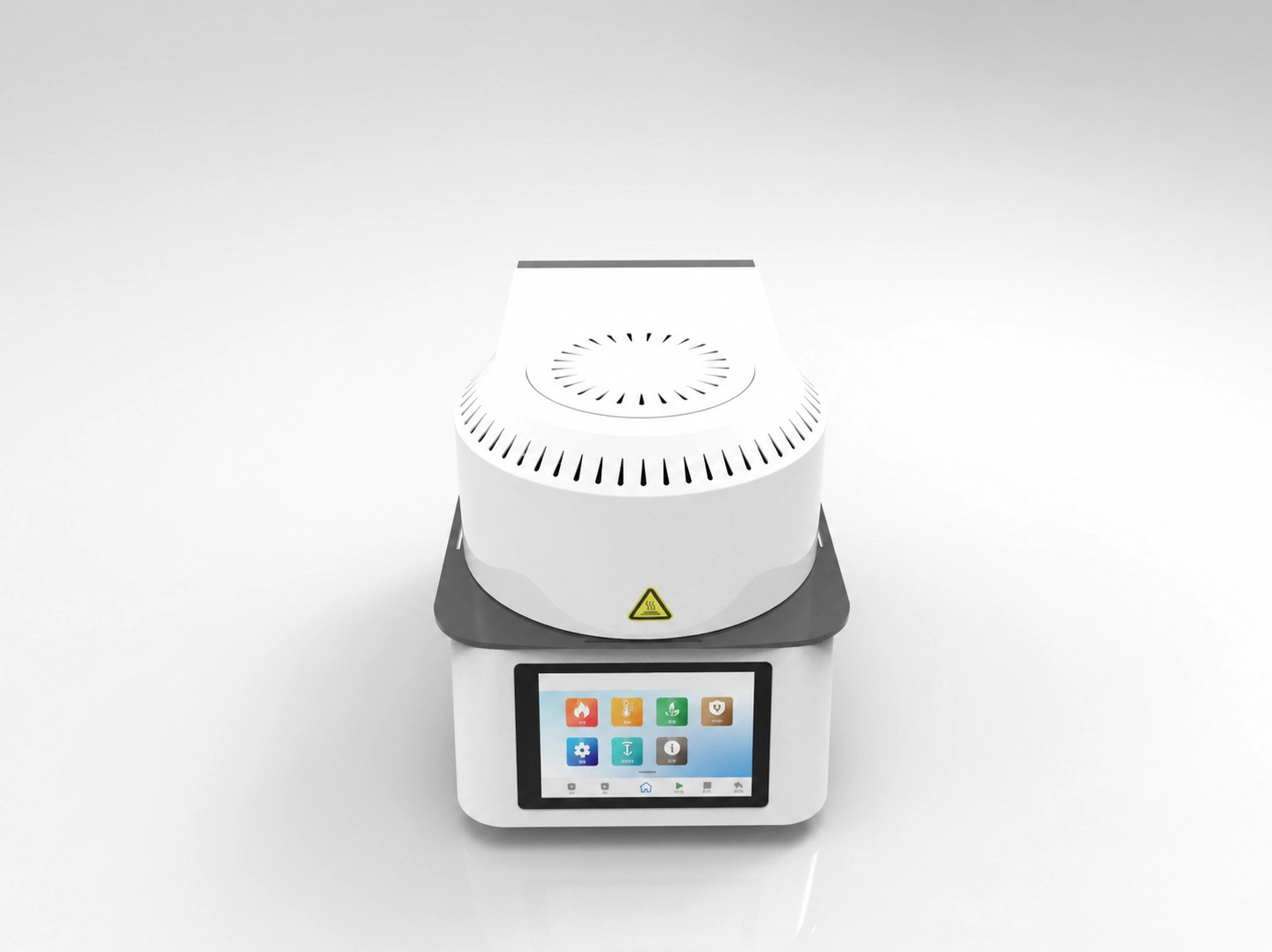
A dental porcelain furnace is configured around the approved firing instructions for the ceramic being processed. Program stages, vacuum use, load support, chamber movement and cooling must work as one repeatable laboratory route. The equipment should not be selected only from a maximum-temperature label or from its benchtop size.
Separate porcelain firing from zirconia sintering and pressing
Porcelain firing, zirconia sintering and dental pressing are different thermal routes. Porcelain firing may require controlled pre-drying, a defined vacuum stage and a moving platform. Zirconia sintering follows the validated sintering schedule and load-support arrangement for the zirconia system. Pressing adds an investment ring, ingot, plunger and pressing mechanism. Pyrocore reviews these as separate configurations so the furnace matches the real material workflow.
Build the complete firing sequence
A useful technical review follows the restoration through the full cycle: preparation and support, platform loading, pre-drying, chamber closure, programmed heating, vacuum engagement where required, final firing stage, controlled release, cooling and unloading. Send the complete sequence rather than only the peak temperature.
Platform, chamber and heating arrangement
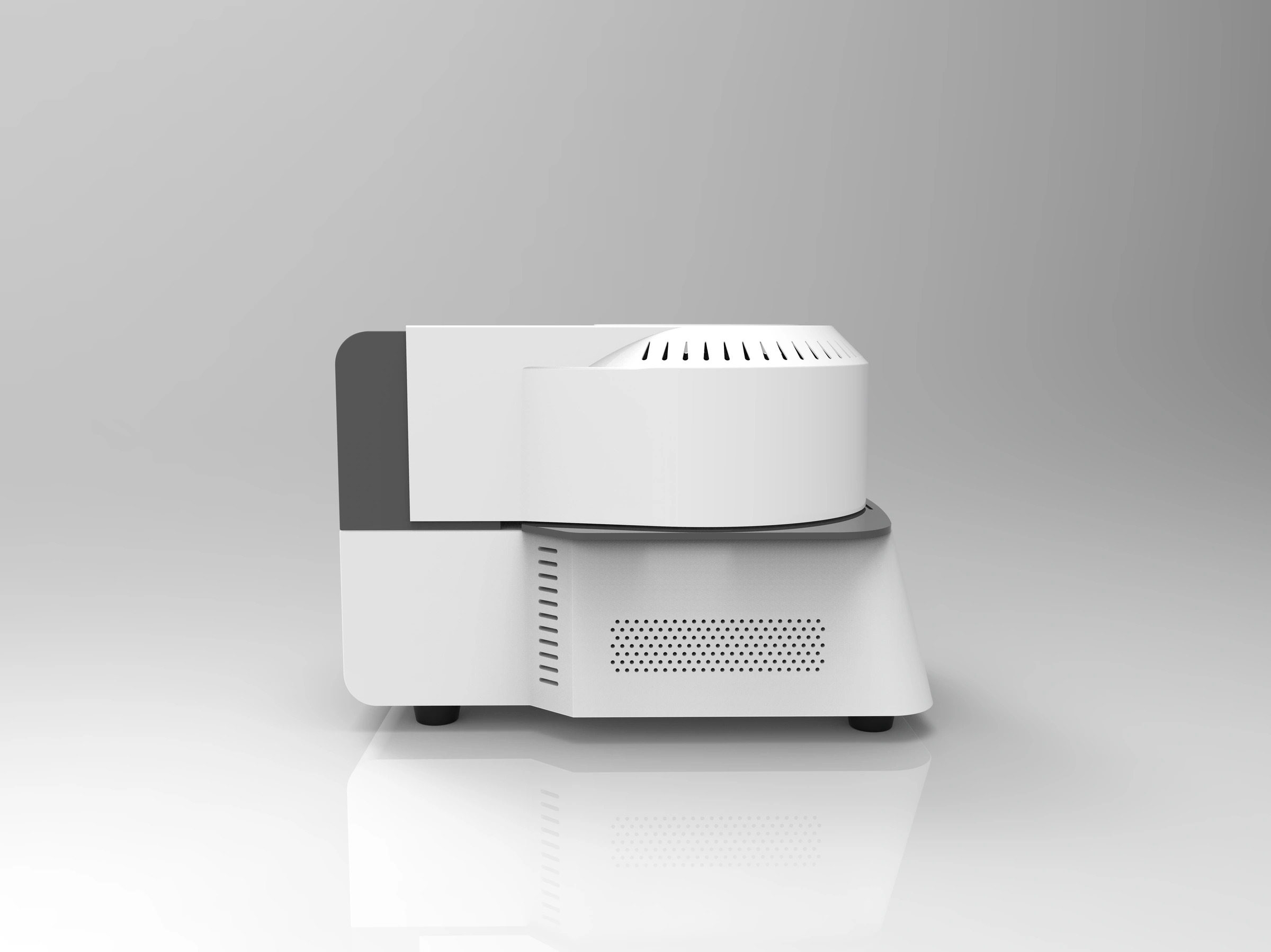
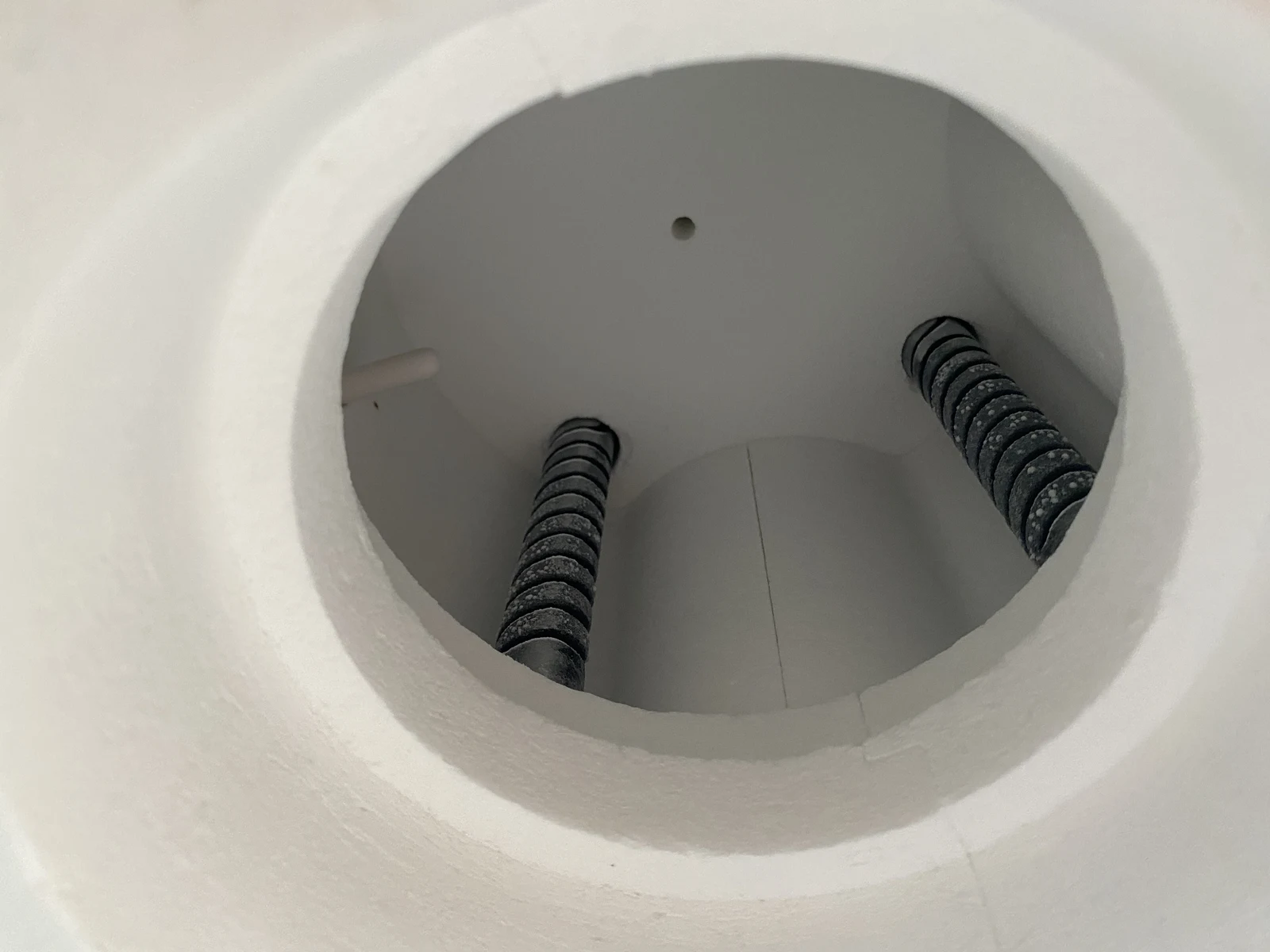
The moving platform must align the firing support with the chamber while maintaining suitable closure and clearance. Chamber geometry, insulation, heating elements and temperature measurement are coordinated around the usable load position. The exact chamber and element construction remain configuration-dependent and are confirmed against the selected furnace route.
Vacuum is an equipment interface
Where the ceramic program requires vacuum, the furnace, seal, hose, pump, control sequence and release path form one operating boundary. State whether a pump is required with the supply or will be provided by the laboratory. Vacuum performance is qualified against the complete hot and cold assembly rather than a pump name alone.
Programs, controls and repeat operation
The controller should support the stages required by the ceramic workflow and make routine program selection clear for the operator. Discuss program storage, editable parameters, alarms, calibration access, control language and any record requirements. Final program values must follow the approved material instructions and the laboratory validation process.
Installation and routine care
Provide stable bench space, the specified electrical supply, ventilation and service clearance. Keep the platform and chamber closure area clean, inspect the vacuum hose and seal, protect the temperature sensor and follow the confirmed maintenance schedule. Changes to ceramic, firing support or program should be requalified by the laboratory before routine use.
Information required for a porcelain furnace proposal
- Ceramic system, restoration type and supplier firing instructions
- Complete program including pre-dry, ramp, firing, hold, vacuum and cooling
- Normal and maximum load arrangement, tray, pins and supports
- Required platform or chamber movement and preferred control workflow
- Vacuum-pump supply boundary and laboratory ventilation
- Voltage, phase, frequency, destination country and control language
- Required accessories, documentation, quantity and acceptance method
Compare the wider Dental Laboratory Furnace family, review Dental Press Furnaces for porcelain pressing, or use the Furnace RFQ Checklist to prepare a technical inquiry.