
Start with the charge and crucible
A crucible furnace is selected around the material being heated, the crucible that contains it and the way the operator loads, removes or pours the charge. The external furnace size alone does not establish process fit. Pyrocore reviews the complete working arrangement before the chamber, controls and supply boundary are confirmed.
Crucible fit is a three-dimensional check
Provide a drawing or manufacturer data for the actual crucible. The review distinguishes the rim from the main body, checks the widest point, establishes the required insertion depth and allows space for handling. If more than one crucible size will be used, identify the normal and largest formats rather than giving only a nominal capacity.
Match the chamber and heat path to the duty
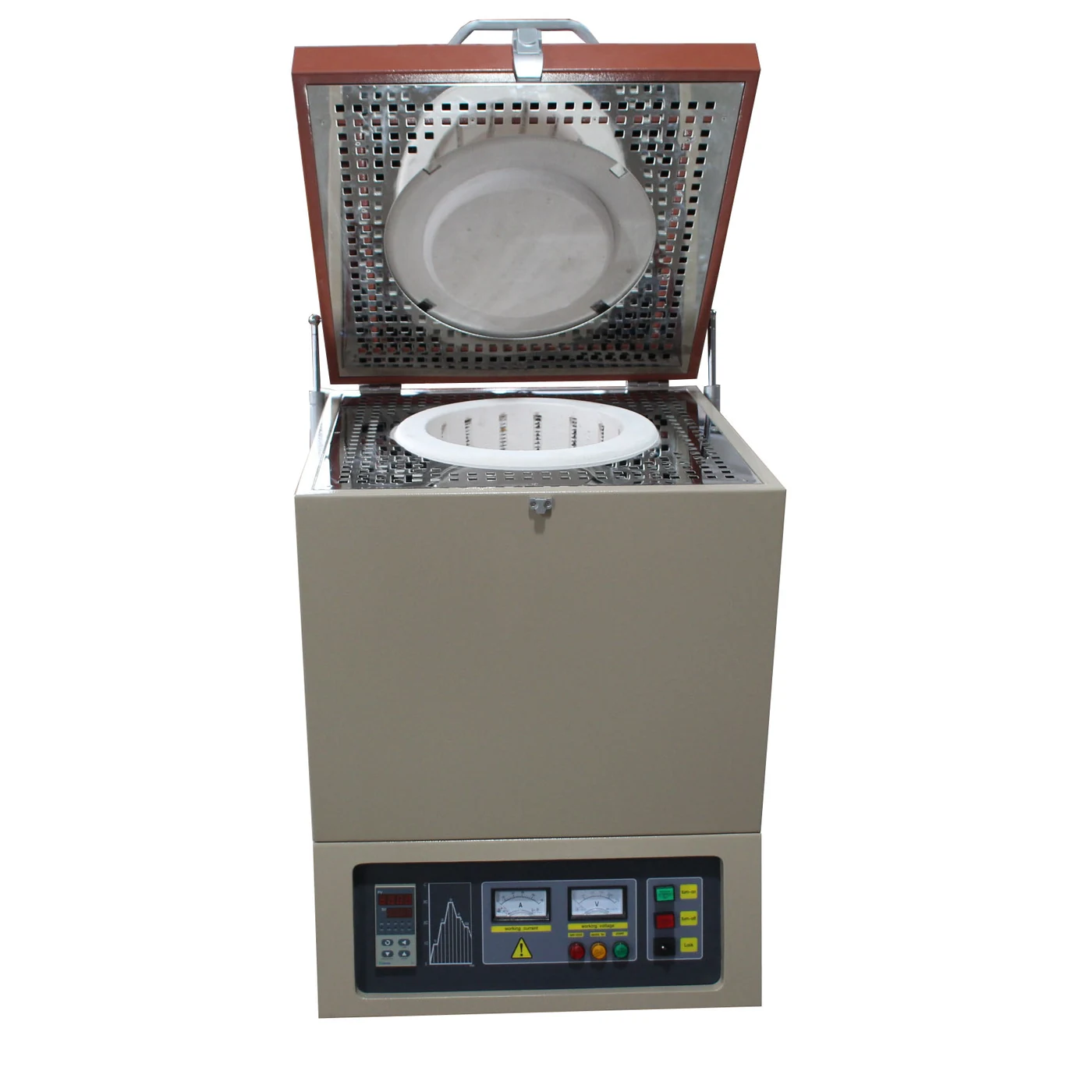
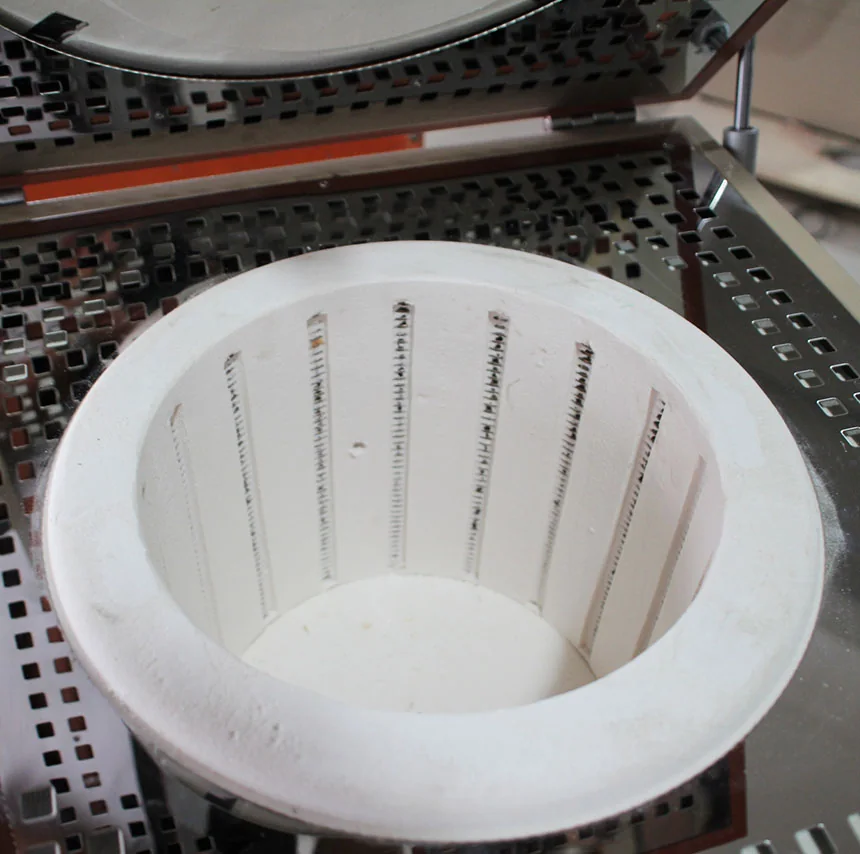
The visible chamber, installed heating elements, lid insulation and temperature sensor form one thermal assembly. A configuration intended for repeated melting cycles can face a different duty from one used mainly for heating or holding. State the complete cycle and expected operating pattern so insulation, element route and control logic can be reviewed together.
Define ventilation and process boundaries
The material, flux, binder, contamination sensitivity and potential fumes influence installation and exhaust planning. Tell Pyrocore what leaves the crucible during heating and what local extraction is available. If vacuum, inert gas or another controlled environment is required, it must be treated as a separate system boundary rather than assumed from an open top-loading furnace photograph.
Controls and operating access
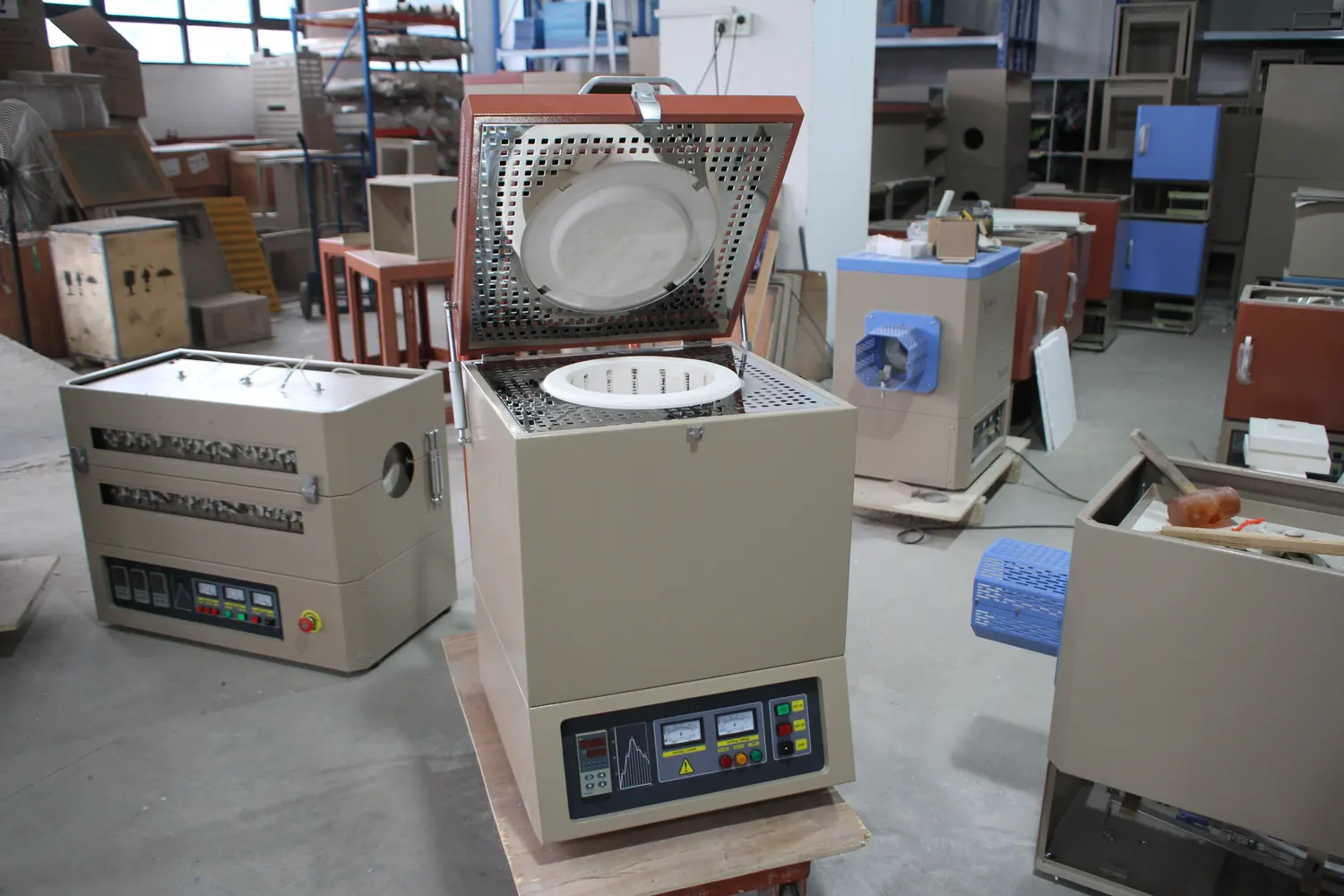
The operator must be able to load the crucible, observe the approved process where appropriate, open the lid and remove the load using the intended tools. Controller functions, alarms and any interlock requirements should be described with the operating sequence. State whether the furnace is used intermittently, in repeated laboratory cycles or for a defined holding period.
Information to send with an inquiry
- Material and process objective
- Crucible material, drawing and dimensions
- Normal and maximum charge
- Working temperature and complete cycle
- Loading, lifting or pouring method
- Fume, ventilation and atmosphere requirements
- Power supply, destination and documentation needs
If the process requires a sealed vessel or controlled atmosphere, also review Vacuum & Atmosphere Box Furnaces.