
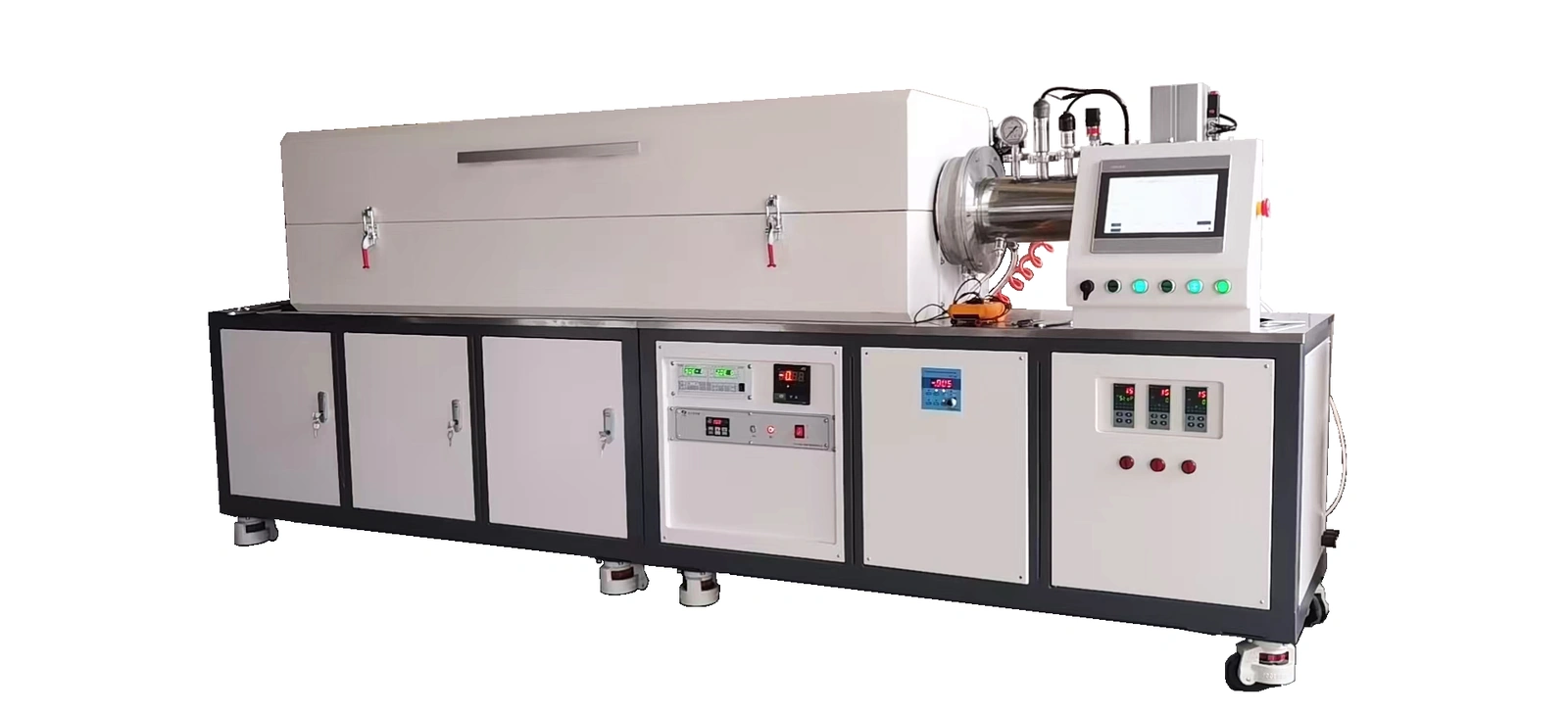
Define the process before choosing a model
A complete inquiry describes what happens inside the tube, how the load is positioned or moved and which thermal and atmospheric conditions are required.
1. Material and process objective
State the material, physical form, sample or batch size and intended result. Include available safety information for powders, gases, precursors or reaction products.
2. Process-tube geometry
- Tube material and any specified grade
- Outside diameter, inside diameter or wall thickness
- Total and usable lengths
- Horizontal, vertical, split or rotary orientation
- Required ports, flanges, seals and access
3. Thermal cycle and zones
Provide working temperature, ramp, hold and cooling. Distinguish the working condition from a maximum rating. State heated length, zones and any profile objective.
4. Atmosphere and pressure
List every gas, flow, pressure objective, purge sequence and exhaust requirement. Identify pumps or gas equipment already available.
5. Loading and material movement
Describe boats, holders, feed systems, tube rotation, inclination and collection. For rotary processing, include material behaviour and batch or continuous operation.
6. Controls, utilities and scope
- Voltage, phase and frequency
- Program control, alarms and data
- Gas train, pump, exhaust and cooling boundaries
- Installation footprint and access
- Destination and documentation needs
Use this checklist with Tube Furnaces.