
The environment is a system boundary
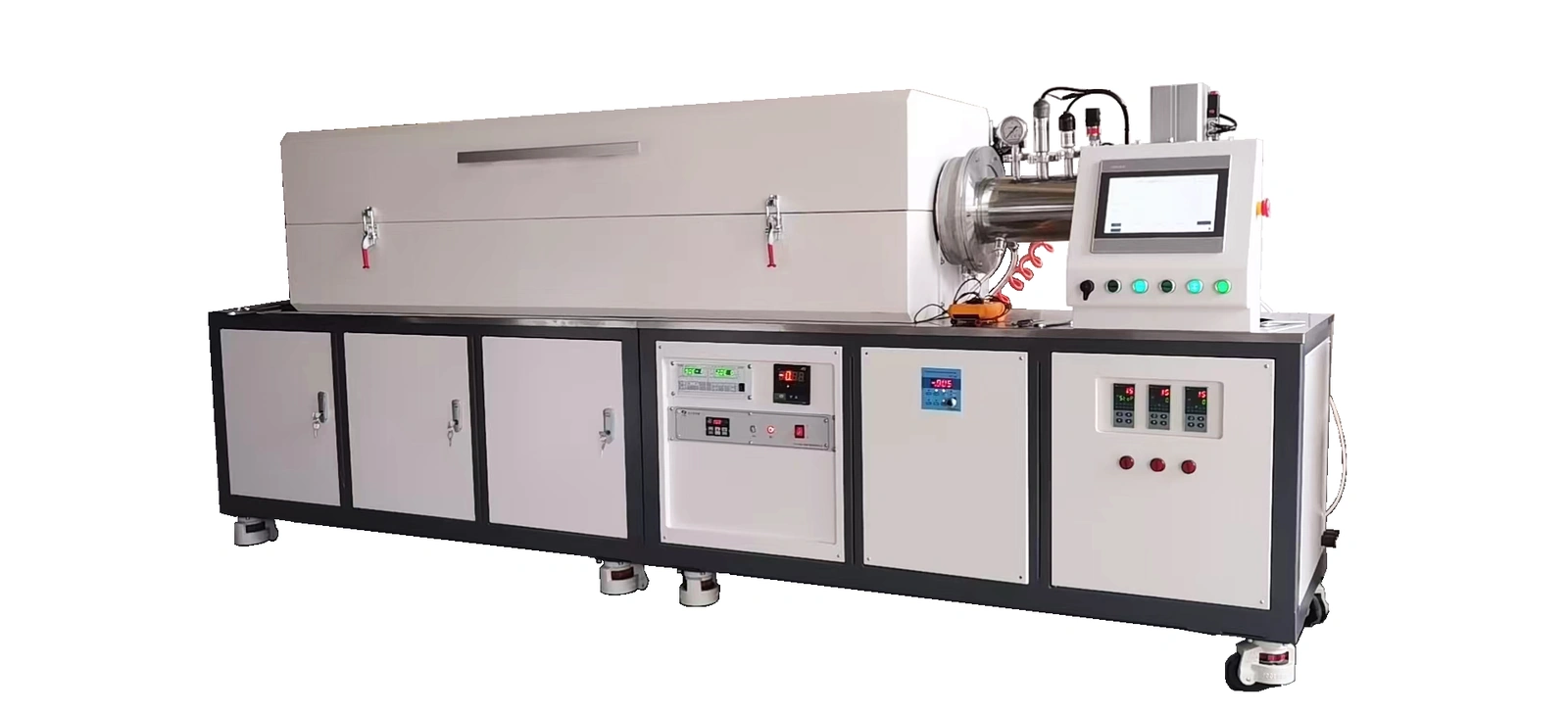
A vacuum or atmosphere tube furnace combines a heated section with a process tube, seals, gas delivery or pumping components and controls. The correct configuration depends on how the required environment is created, monitored and safely exhausted.
ProcessMaterial, working cycle and sensitivity to oxygen, moisture or other gases.
Gas pathGas species, flow direction, inlet control, outlet and exhaust treatment.
Pressure pathOperating pressure objective, pump boundary, measurement and leak-control expectations.
InterfacesTube material, seals, flanges, ports, sample access and heated zones.
Do not select from a vacuum number alone
Achievable pressure and atmosphere quality depend on the full assembly, including tube material, seals, fittings, pump selection, gas load and operating temperature. Model-specific values are confirmed only after the process boundary is defined.
Prepare the technical review
- Material and process objective
- Working temperature and thermal cycle
- Gas species, flow and pressure requirement
- Tube material, diameter and usable length
- Ports, flanges, sample access and exhaust needs
- Applicable process-safety constraints