
More precise routes for different tube furnace duties
Henan Pyrocore Corporation has expanded its English tube furnace coverage so technical buyers can compare concrete equipment configurations instead of treating every tube furnace as one general product. The current routes cover compact single-zone, fixed vertical, adjustable-angle, multi-zone, rapid thermal processing, large-diameter, rotary, vacuum and controlled-atmosphere requirements.
The purpose of the expanded structure is practical: tube material and diameter, process orientation, heated length, zone relationship, movement and atmosphere interfaces can change the entire equipment boundary. A useful selection therefore begins with the process drawing and full thermal cycle rather than a nominal maximum temperature.
Fixed horizontal and compact single-zone systems
A compact or standard horizontal tube furnace is a direct route when the process tube remains stationary and one defined heated section can support the required sample position. The inquiry should still separate tube length from heated length and identify the sample, boat, holder, seals and external supports. End fittings must not be treated as loads that the hot ceramic tube will automatically carry.
Vertical and adjustable-angle configurations
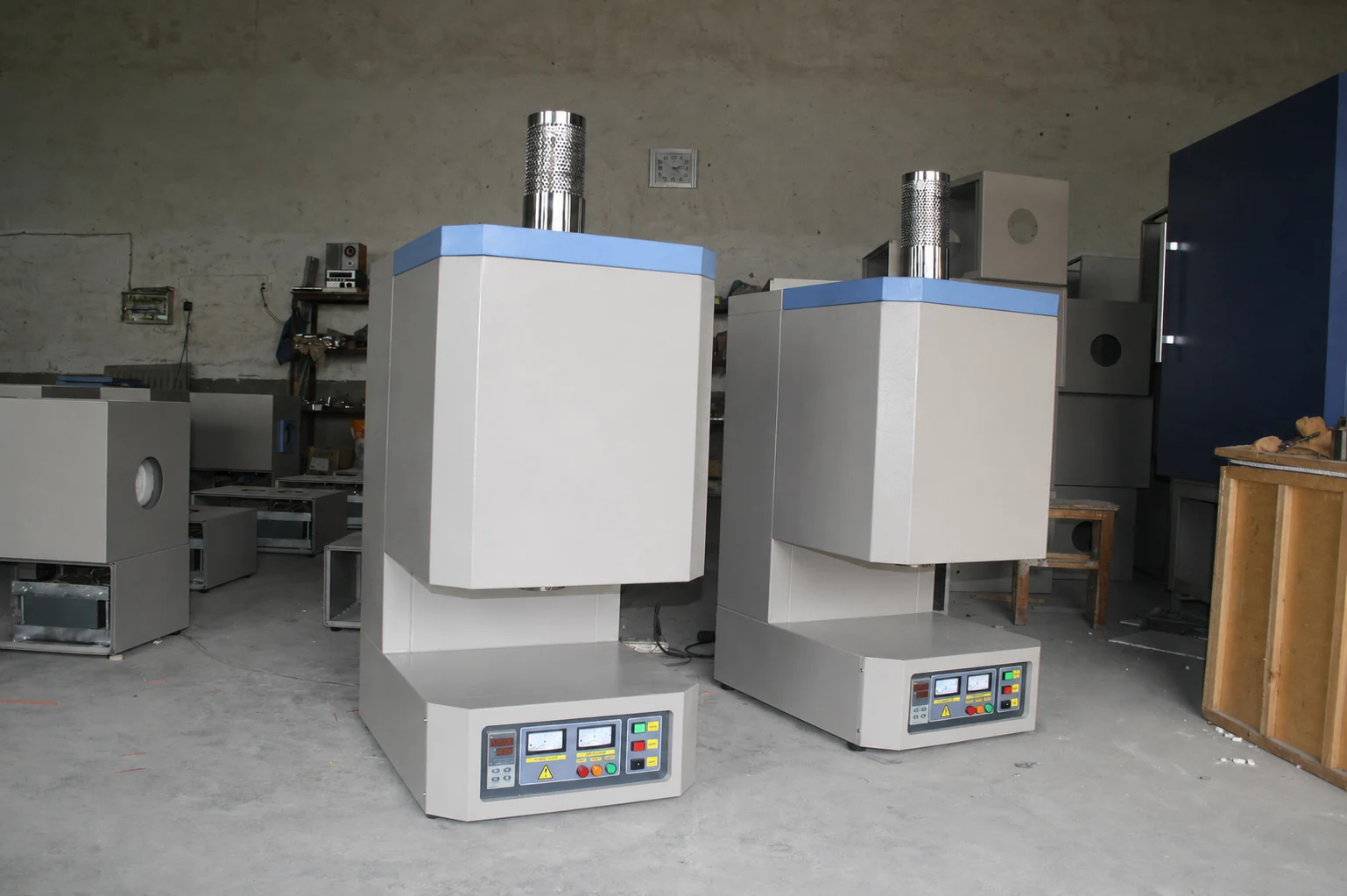
A fixed vertical furnace may suit top-to-bottom loading, suspended samples, gravity-assisted movement or a process with upper and lower connections. An adjustable-angle system is a different mechanical route: the pivot, support, tube, end assemblies, cables and services must remain compatible through every permitted position. Orientation is selected from process behaviour and installation constraints, not cabinet appearance.
Multi-zone and rapid thermal processing routes
Multi-zone furnaces are specified from axial process positions and required temperature relationships. The number of physical sections alone does not establish temperature uniformity, so sensor locations, controller relationships and loaded verification remain part of the project definition. Rapid thermal processing adds controlled relative movement between the heated enclosure and the sample or tube position. Travel, stops, hot and cooling positions, guarding and acceptance measurement must be coordinated with the cycle.
Large-diameter, rotary and controlled-environment systems
Large-diameter equipment requires a joint review of tube mass, supports, heated opening, end connections and installation envelope. Rotary systems add powered tube rotation, feed, residence, discharge and collection. Vacuum or controlled-atmosphere systems add seals, gas delivery, pumping, measurement, valves and exhaust. These functions should be defined as one process system instead of optional parts selected after the furnace body.
Prepare a tube furnace review
- Describe the material, process objective and physical load
- Provide the complete working cycle, not only a peak temperature
- State tube material, diameter, wall, total length and heated length
- Mark sample, sensor, zone, flange and support positions on one axial drawing
- Define orientation, movement, gas, pressure, pumping and exhaust requirements
- List controls, records, alarms, utilities, destination and requested supply boundary
Compare the complete furnace catalogue, review Tube Furnaces, or use How to Specify a Tube Furnace before sending a technical inquiry.