
Send enough information to qualify the equipment
A useful furnace RFQ does not need to begin with a complete engineering specification, but it must describe the process well enough to choose the correct equipment route. The checklist below separates essential first-contact information from the detailed inputs needed before configuration and quotation are finalized.
1. Company, contact and project location
- Company and contact name
- Work email and telephone
- Destination country and installation city
- End user, integrator, laboratory, distributor or replacement-service role
- Preferred communication and documentation language
2. Material and process objective
- Material name, grade or composition where available
- Physical form: part, powder, compact, substrate, crucible charge or other load
- Starting condition and intended process result
- Available safety information and known by-products
- Current equipment or baseline process, if relevant
3. Complete thermal cycle
- Normal working temperature and any separate maximum requirement
- Starting condition, ramp stages, holds and total cycle
- Controlled cooling and safe unload condition
- Cycles per day, operating hours and expected duty
- Required sample or load temperature evidence
4. Atmosphere, pressure and exhaust
- Air, inert gas, reactive gas or reduced-pressure requirement
- Every process and purge gas with purity objective
- Flow direction, pressure objective, evacuation, purge, backfill and venting sequence
- Pump, valve, gauge, flow-control and gas-train expectations
- Exhaust destination, filtration, traps and known vapour or dust load
5. Workpiece, fixture and usable space
- Maximum part, sample or batch dimensions and mass
- Normal and maximum quantity per cycle
- Tray, boat, crucible, setter, basket, rack or fixture dimensions
- Required usable chamber or process-tube dimensions
- Clearance, loading orientation and contamination restrictions
6. Material movement and loading
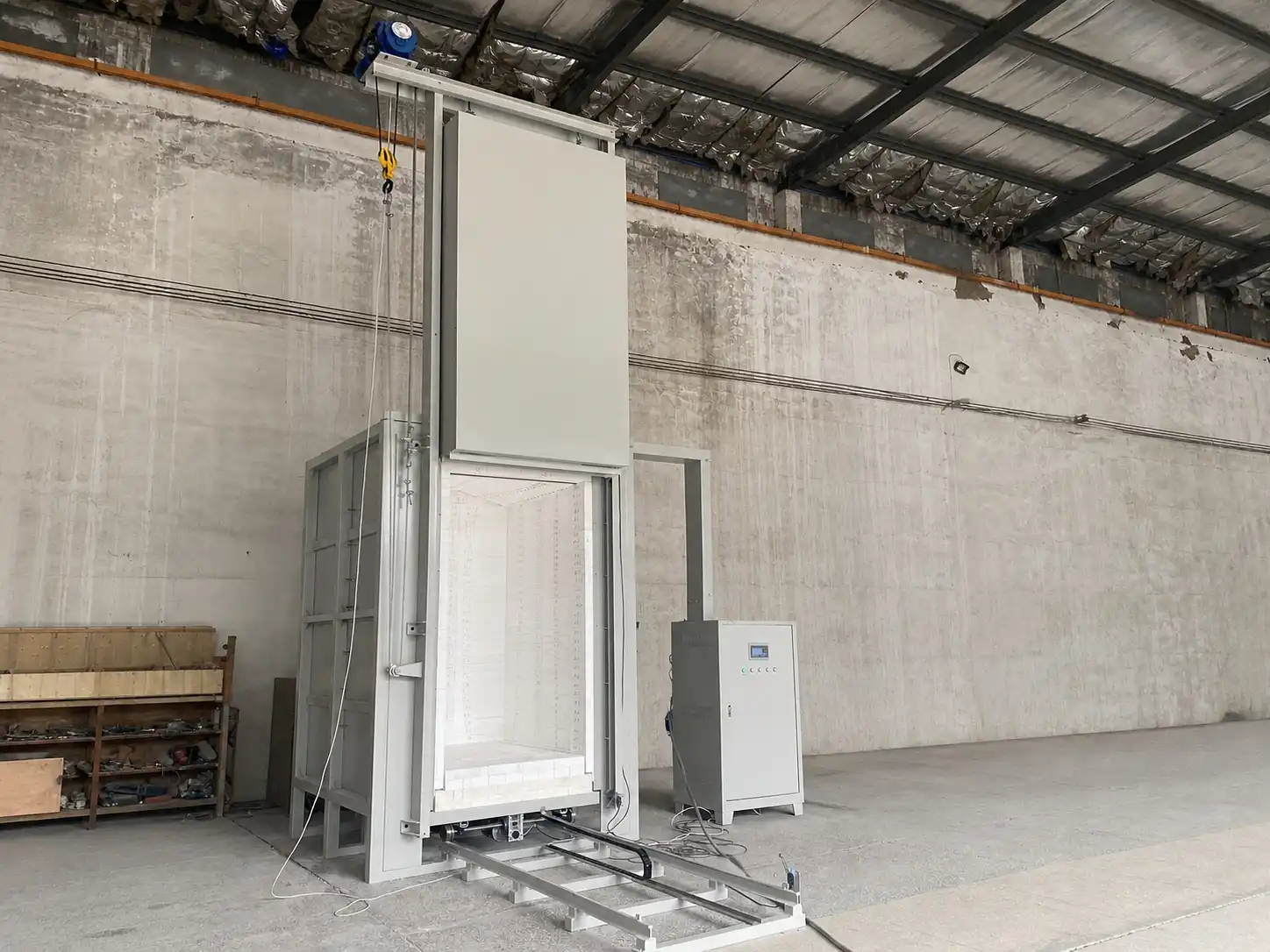
- Front, top, bottom, trolley, tube, suspended or pass-through loading
- Stationary, sliding, rotating, continuous-feed or pressed process
- Feed rate, residence objective, discharge and collection where applicable
- Loading tools, lifting equipment and operator-access requirements
- Hot loading, unloading or controlled cooling requirements
7. Heating, zones and temperature measurement
- Preferred chamber or tube route, if already known
- Heated length, zone count or axial profile objective
- Heating-element preference only when supported by the furnace design
- Controller, program steps, thermocouples and over-temperature protection
- Temperature profile, load thermocouple, calibration or recording needs
8. Controls, data and integration
- Manual, recipe or coordinated sequence control
- Display, alarm, interlock and emergency-state requirements
- Data logging, export, communication or plant-integration expectations
- Interfaces with feeders, pumps, gas cabinets, chillers or other equipment
- Applicable user-access or control-language requirements
9. Utilities and installation environment
- Voltage, phase, frequency and available electrical capacity
- Cooling water, compressed air, gases, exhaust and ventilation
- Available floor area, ceiling height and service clearances
- Doorway, aisle, elevator, crane, floor and foundation limits
- Room conditions and any restricted or classified installation area
10. Supply, documentation and acceptance boundary
- Equipment included in the requested quotation
- Facility items and existing components to be reused
- Drawings, manuals, spare parts and documentation requirements
- Inspection, functional test, temperature, pressure or leak-check expectations
- Packing, shipment, installation, commissioning and training scope
- Applicable site or project requirements to be reviewed
Additional information by furnace family
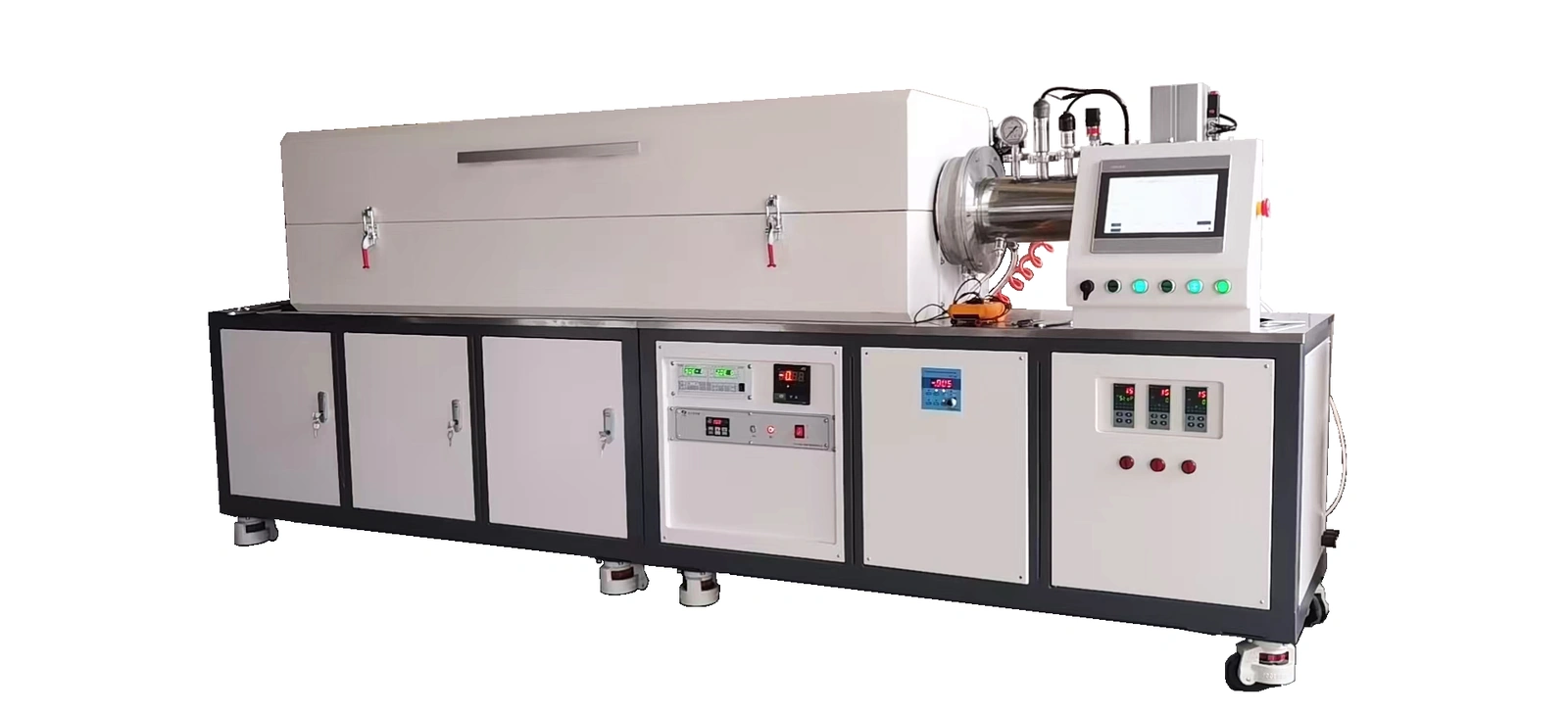
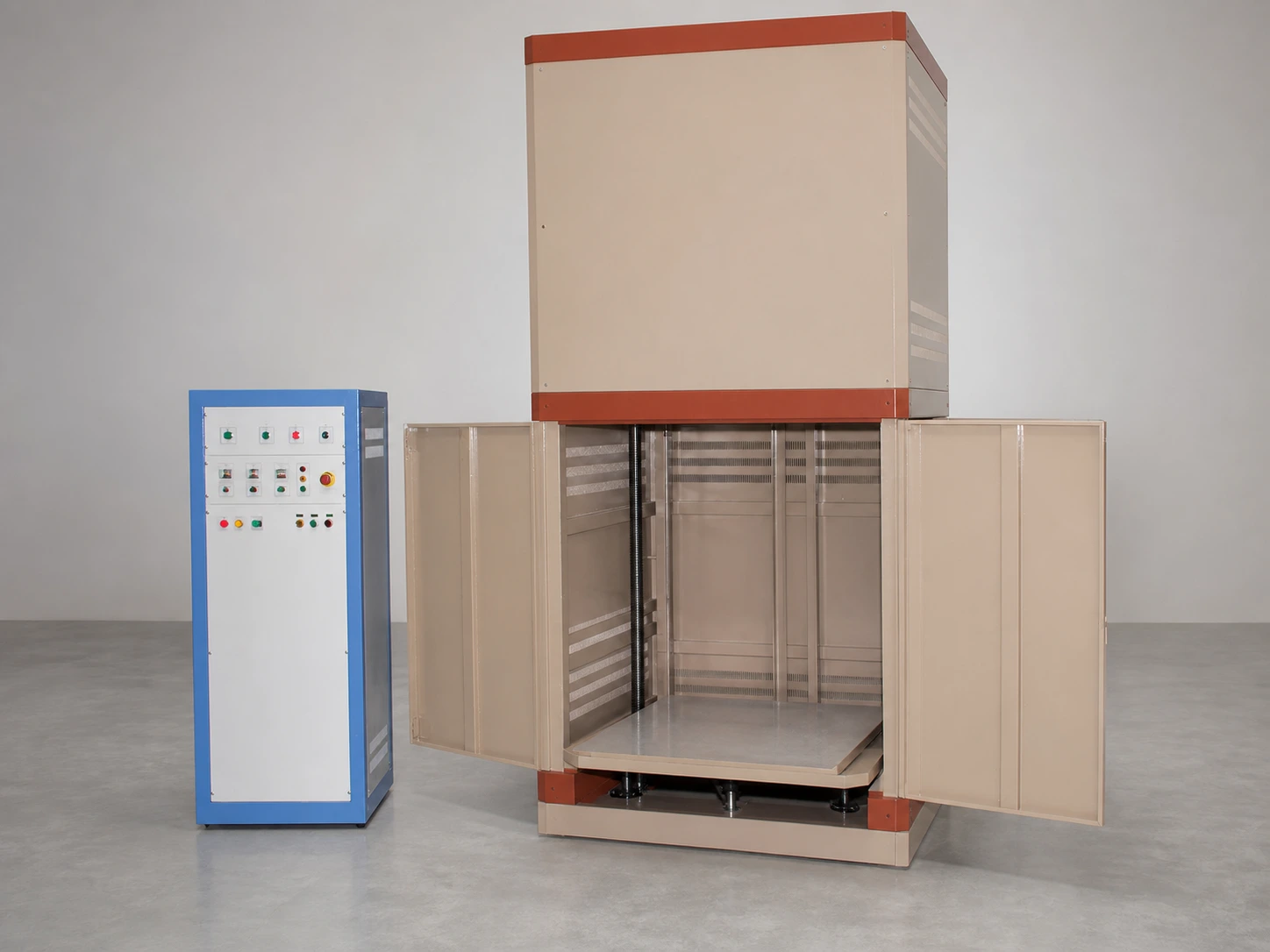
Tube furnaces: tube material, outside and inside diameter, total and heated length, orientation, end seals and flange interfaces. Rotary systems: powder behaviour, batch or feed rate, powered rotation objective, inclination, discharge and collection. Vacuum or atmosphere systems: complete pressure and gas sequence, gas load, pumping, exhaust and cooling. Trolley or lift furnaces: load centre of gravity, platform, rails, travel, foundation and guarding. Hot press systems: tooling stack, force or sample pressure, pressing direction, stroke, displacement and feedthrough boundary.
Files that make an RFQ easier to review
- Dimensioned workpiece, fixture, tube, chamber or tooling drawings
- Photographs of existing equipment and interfaces
- Current cycle chart or process-flow diagram
- Material and process-gas safety information
- Electrical nameplate, wiring, resistance or controller information for replacement work
- Room layout, access route and available utility schedule
Start with the information available. Pyrocore can identify missing qualification fields after the initial review. Browse Furnaces, Applications, or use the technical inquiry form to submit the project.